Australian computer and video game magazine history
Australian computer and video game magazines helped the local industry develop its own tone of voice, in-jokes, and narrative. Trying to summarise all that in a single article is damn near impossible, but let’s give it a shot.
The land before time
Same. Same. Same. Today’s video game industry looks very similar all over the world. Same games, same consoles, same release dates, same online arguments. It’s all very much homogenised.
But it wasn’t always like that. And if you happened to grow up in Australia back in the 80s and 90s, your experience would have been very different to kids in the UK, US and Japan.
Although we shared the same PAL TV standard as the UK and Europe, we were on the wrong side of the world, with a small local population. That made us an after-thought when it came to releases, pricing, and support.
Computer and video game magazines from overseas were a lifeline. But they didn’t reflect the reality on the ground. UK and US publications that did reach our shores were transported via freight ships, and would appear on newsstands three months after their original publication. By the time they arrived the news was long out of date. Or not relevant to the Australian market.
That’s where local video game magazines came in. They provided a homegrown take on the industry. And in the world before the internet, they were an essential resource for an industry that was going through seismic shifts.
Where do we even begin?
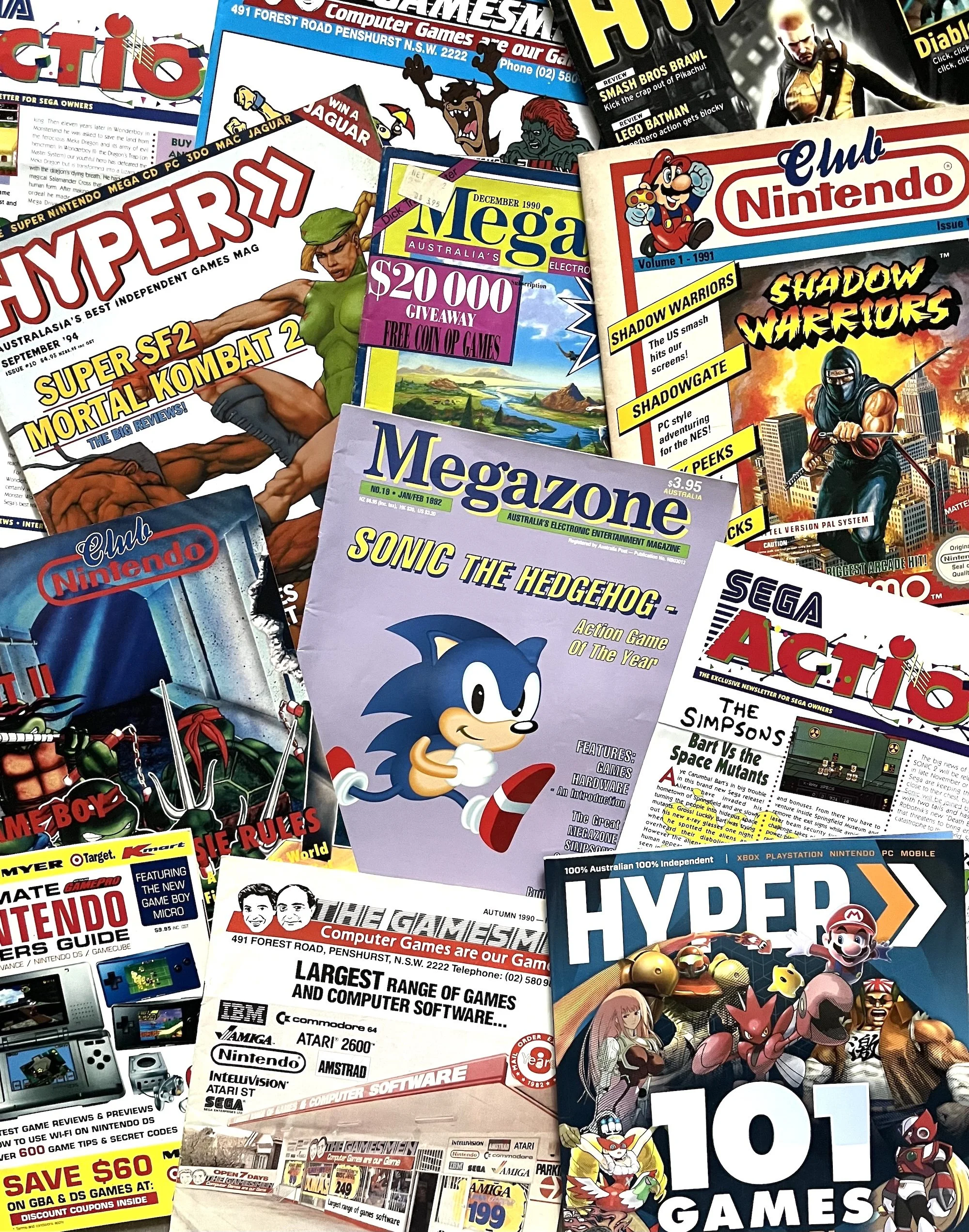
When I first sat down to write this article I thought it would be relatively straightforward. I’ve interviewed various folks from Australian video game magazines over the years, so the plan was to weave their quotes into a broader narrative about the local industry. Easy.
That quickly fell apart when I started researching local magazines and found that there really wasn’t much out there. Information was missing, patchy, or simply incorrect. And when I turned to ChatGPT for a full list of local magazines it hallucinated a genuinely weird narrative.
To make this even more difficult, everyone’s experience growing up was different. Depending on our age and the systems you owned, you may have bought entirely different magazines to the kid down the road. So it’s not like there’s a single through-line when it comes to local magazines and who was reading what.
Still, we have to start somewhere. And Australian Personal Computer (APC), is as good a place as any. Launched all the way back in 1980, it has spent the last five decades talking about printer tables, spreadsheet programs and heat sinks.
Remarkably, it’s still open for business. Which must be some sort of record. But it’s not a magazine I ever read, so let’s keep this moving.
Cut, paste and photocopy
Local computer and video game magazines may have been thin on the ground in the 80s, but that helped nurture a cottage industry of locally produced zines.
Turns out, some of these have been archived for posterity, and if you visit RetroCDN you can download scans of titles like Sega Addict, Sega Mag and the Sydney Sega Users' Group magazine.
The production values may be non-existent, but these photocopied zines tell a story that would otherwise be lost to time. If nothing else, they show the local dominance of Sega during the 8bit console era.
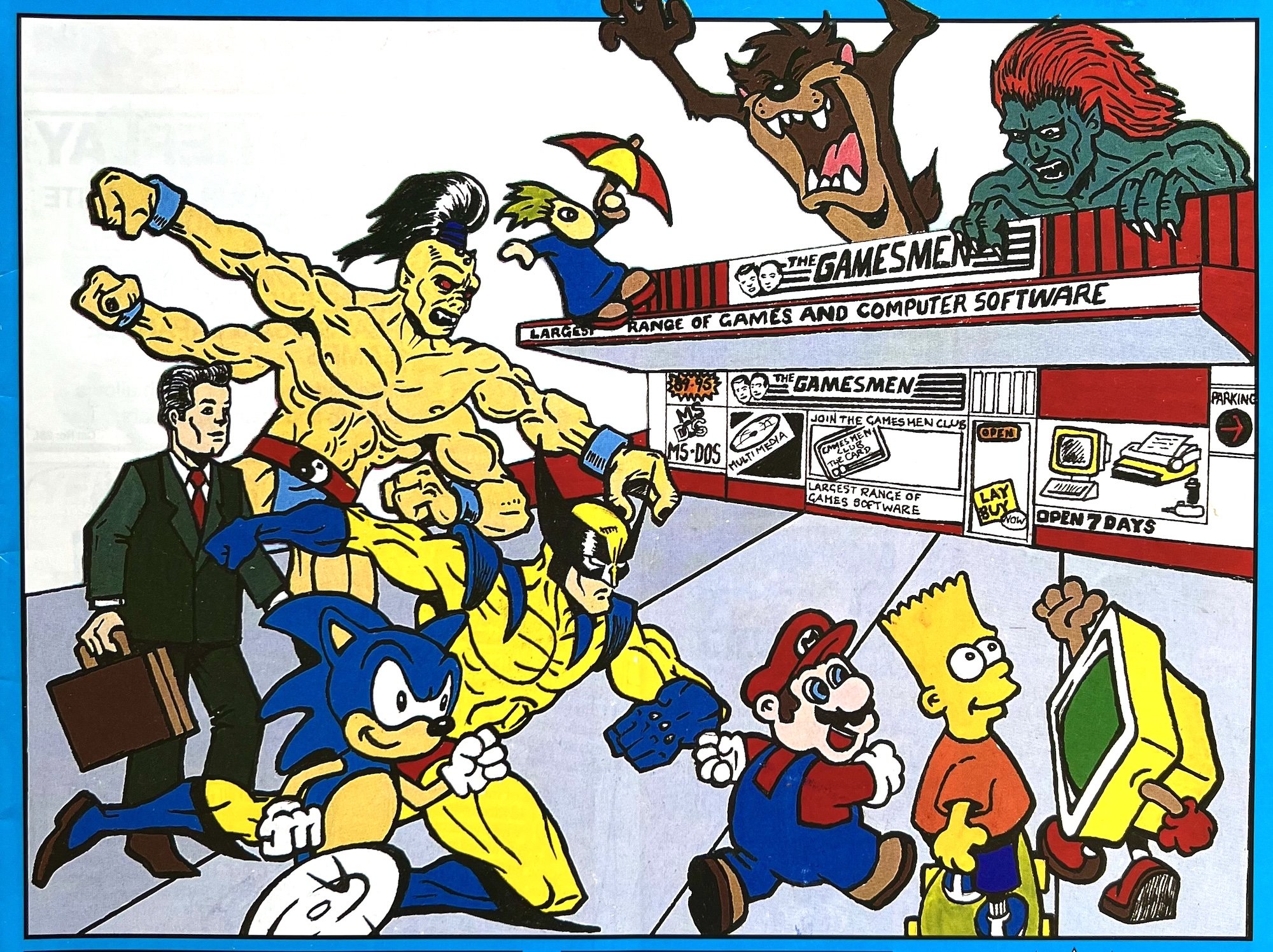
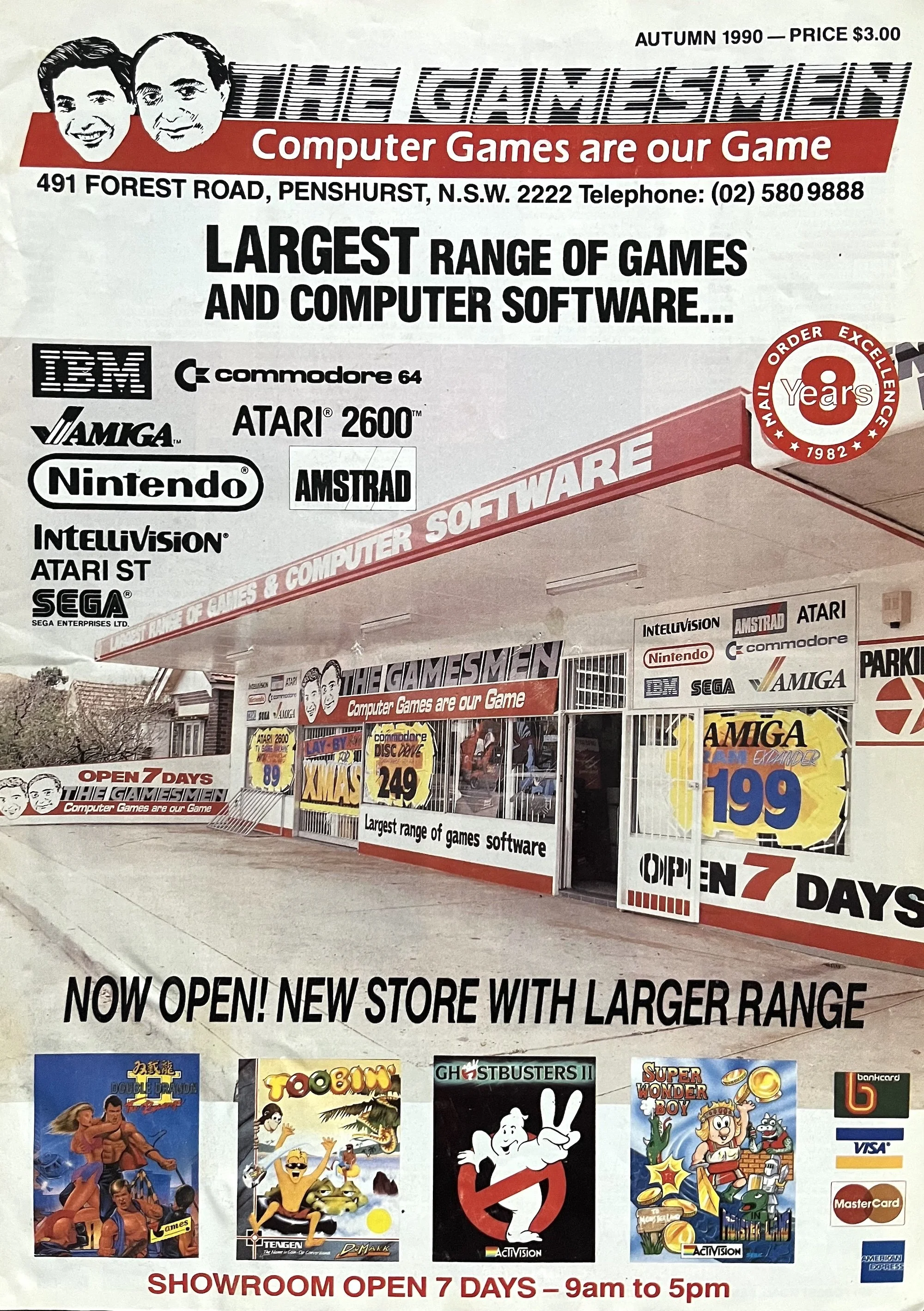
The Gamesmen catalogue also deserves a shout out. A local institution, it provided a snapshot of the industry and what was actually available to purchase.
Sega OziSoft and Megazone
Skip forward to the late 80s and you might remember a short-lived magazine called MegaCom. AKA MegaComp.
Launched in 1988, the debut issue looked at the newly released Atari ST, asked why the MSX system wasn’t making inroads in Australia, and featured a small print ad for copies of WonderBoy on the Sega Master System. Which makes it quite the timecapsule.
The publishers only managed to release four issues over the next two years. Which is not exactly prolific. Still, it set the stage for something bigger. The arrival of Megazone. And, as Brian ‘Since Spacies’ explains, the two magazines are spiritually linked.
“MegaComp was trying to be a thing, but just couldn’t get it kicking along. OziSoft came through and bought the [magazine]. They changed the name to Megazone and slowly transitioned it from a mix of local and overseas content to entirely Aussie.”
OziSoft was a major distributor of computer and video games in Australia. Initially, they focused on PC and computer games. In 1987 they picked up the rights to distribute Sega’s software and hardware locally.
Long story short, OziSoft figured that having a magazine on newsstands would be a great way to promote the games and systems they were selling. Which is the super abridged version of how Megazone appeared on newsstands in June 1990.
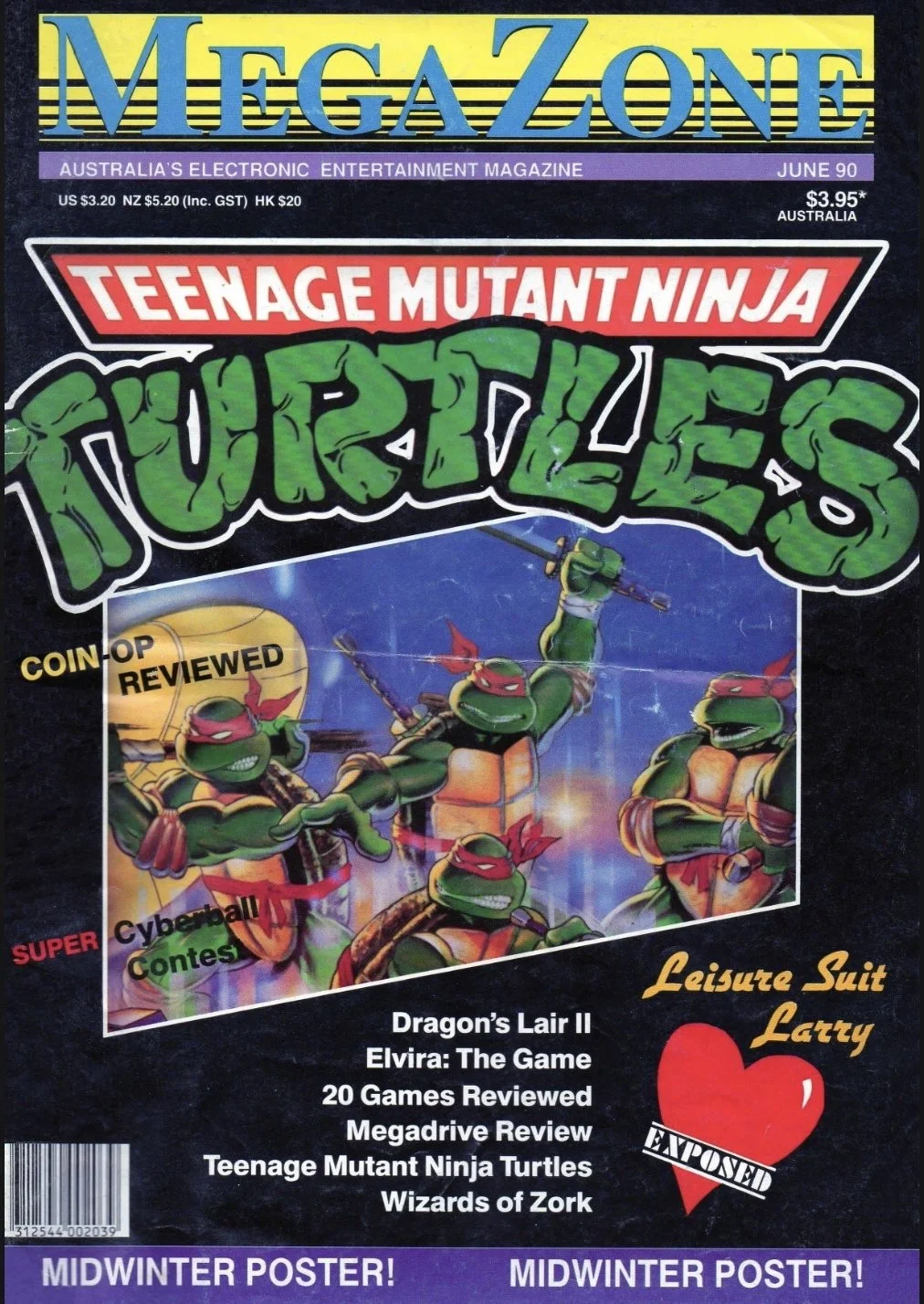
The debut issue features the Teenage Mutant Ninja Turtles on cover, a preview of Sega’s upcoming Mega Drive system, and a hodge podge of computer and Master System game reviews.
More importantly, it featured local news, releases dates, and ads for various mail order catalogues. So, for a couple of years it was the go-to magazine for the local scene.
Still, there was an inherent tension between the magazine’s ownership, commercial interests, and gaming coverage. You can read the gory details here.
And speaking of commercial interests, the early 90s also saw glorified catalogues being released by Sega and Nintendo for the local market. Newsletters like Sega Action were another way for OziSoft to promote their releases.
If you owned a Nintendo Entertainment System, local distributor Mattel produced Club Nintendo. A localised versions of Nintendo Power was also available for a bit, although it was a massively scaled down publication, compared to the US version.
These sponsored editorials and glorified catalogues created a desire for a genuinely independent local publication. Something like Hyper.
Here comes Hyper
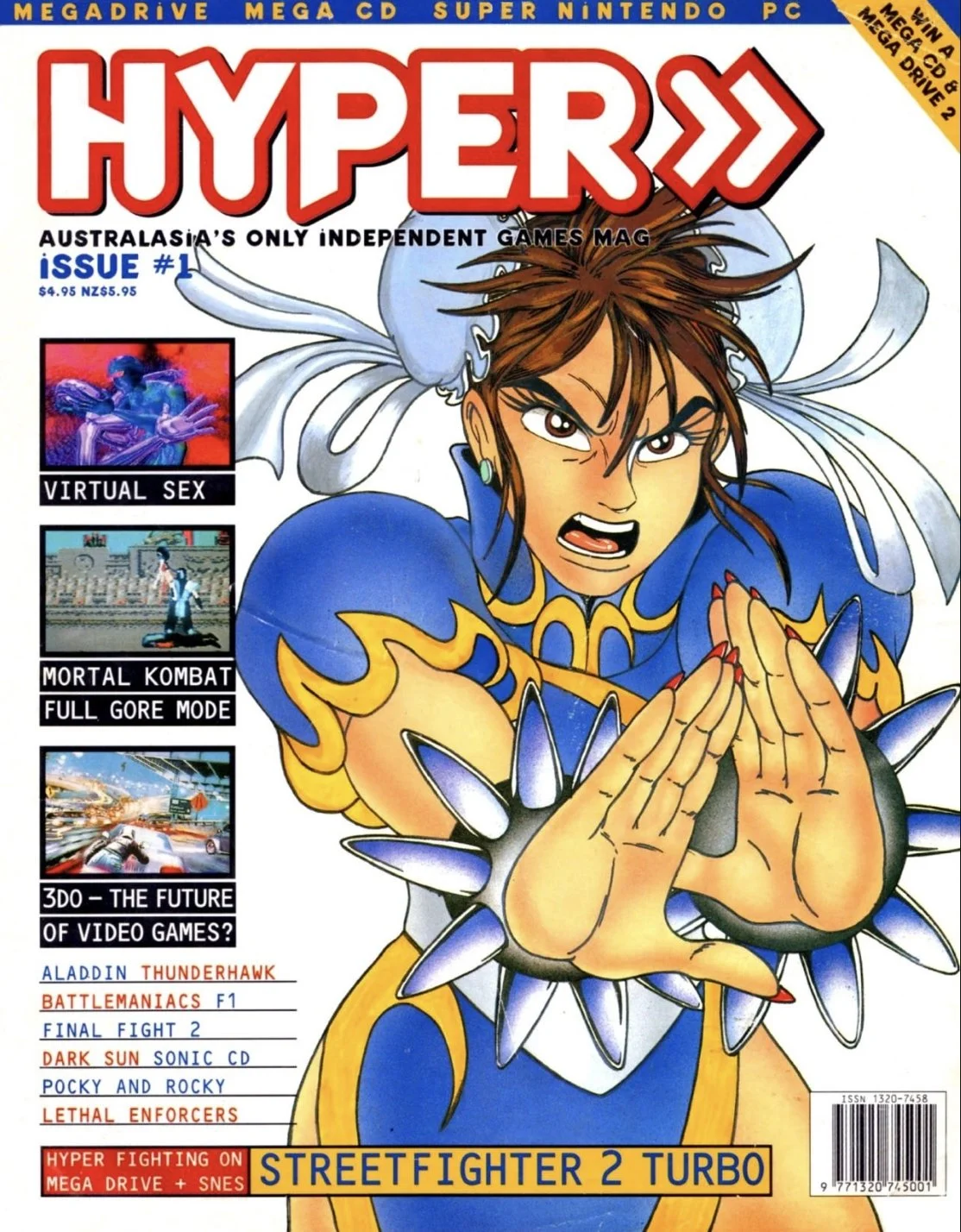
Hyper magazine was launched in 1993 by Next Media. And, here’s a fun fact, the founding editor came directly from Megazone. That would be Stuart Clarke, a man whose name pops up several times at crucial junctures in our story.
Anyway, as Stuart explains, “I received a call from Phil Keir (owner of Next Media), a few weeks after leaving Megazone. He asked me a few questions. Before I knew it he had asked me to set up a brand new games magazine.”
“I only had a few demands when approached to do a games magazine,” continues Stuart. “The main one was to be multi-format, so we could cover all good games as well as comment on the industry wars (Sega vs Nintendo, etc). I also wanted a broader audience than the pre-teen boys who read Megazone. I wanted over-18s to not be embarrassed reading a games magazine.”
Hyper made its debut in December 1993. It would go on to run for 27 years. Which isn’t quite as long as APC, but still damn impressive.
Much of that success can be attributed to the magazine's distinctly Australian tone and humour. Hyper didn’t just ape the material coming out of the UK or USA, it used it as a launchpad for something distinctly Australian.
(Australian) Nintendo Magazine System
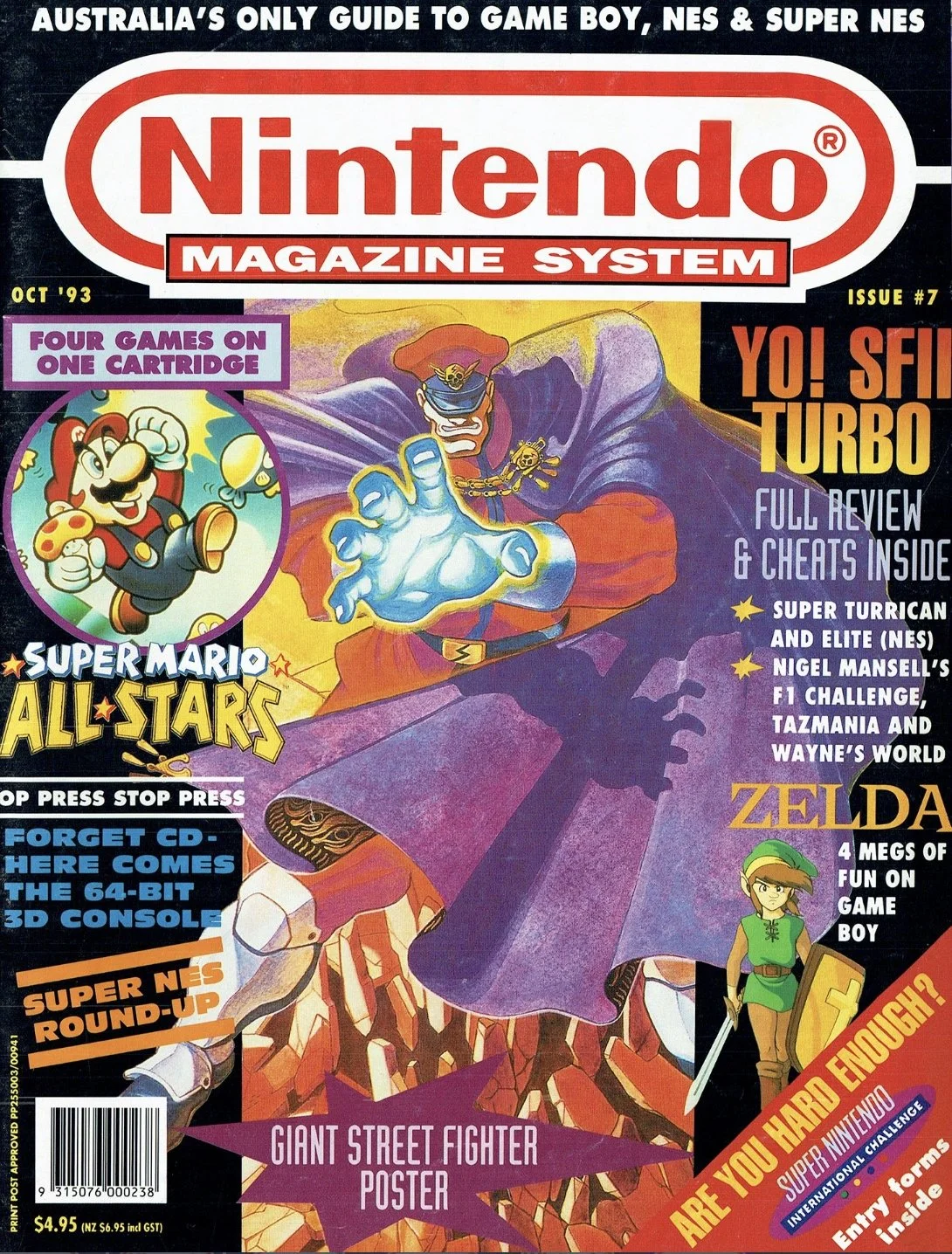
Megazone and Hyper championed their homegrown credentials, but they were soon joined by a new crop of magazines that re-defined what a local magazine meant. Case in point - Nintendo Magazine System (NMS).
Launched in 1993, (Australian) Nintendo Magazine System was actually a UK magazine licensed for local distribution. In other words, the Australian publisher paid a royalty fee to use the name and content from the UK original. This was then padded out with some local content, news, and editorial coverage.
These magazine licensing deals became increasingly prevalent as the 90s console boom gathered momentum and the Australian market grew. Locally publishers liked them because they gave them access to a branded masthead and a monthly pipeline of content to fill the pages.
Also, they were cheap. Overseas content meant publishers could keep the local editorial team lean, which saved money, and meant they could focus on ad-sales instead.
Nintendo Magazine System was an early example of this arrangement, one that would become much more prevalent as the industry grew and expanded in the new millennium. So let’s see what else was going on in the mid 90s.
PC Powerplay and the mid 90s
I’ve never heard of Gamestar magazine. Which is weird, because as a teenage kid with a Sega Mega Drive, growing up in the Brisbane suburbs, it seems like the sort of thing I should have been across.
In any case, Gamestar was launched as a local, multi-format title in 1994 and ran until 1995. You can find scans online. And it seems… fine. Maybe kinda dry. Maybe kinda corporate. Which might explain why it never really had much impact alongside Megazone and Hyper.
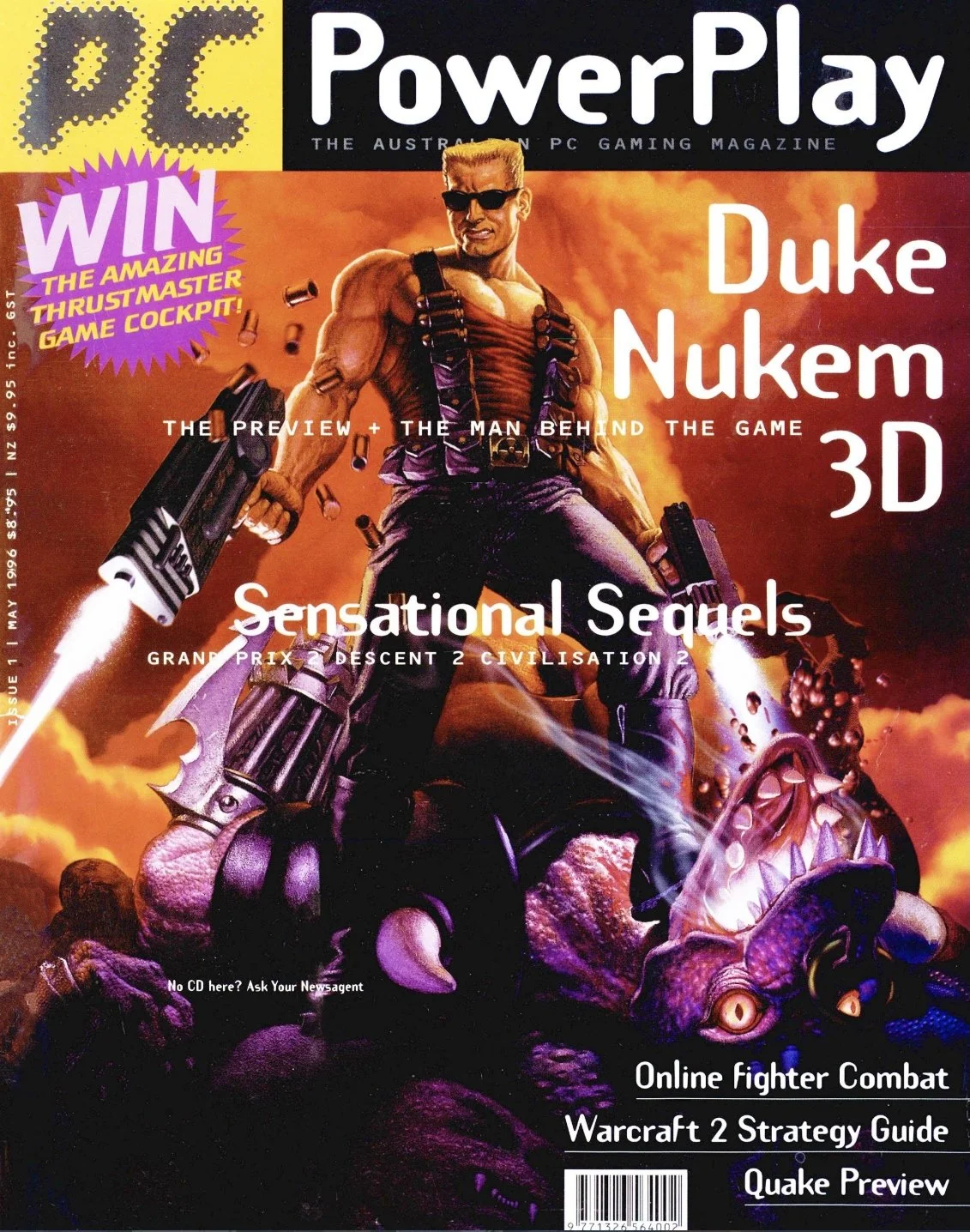
PC Power Play was launched by Next Media in 1996 as Australia’s only dedicated PC magazine. It ran all the way into 2018, when it was sold to Future Media. I’m not a PC gamer, but even I recognise how important the magazine was to the local scene.
Official Australian PlayStation Magazine launched in 1997, but I can’t find any real info on it, so, if anyone out there has more details feel free to drop me a line.
Point being, we had a little ecosystem of magazines. At one end were independent, editorially driven magazines like Hyper. At the other, officially licensed or commercially aligned titles. But as we entered the new millennium, that balance would shift dramatically.
The glory days of PS2 and Xbox 360
The 90s may have been a golden era for the video game industry, but the new millennium is when things really went gangbusters.
The massive success of the PS2 helped expand the industry and the player base. And since the internet was still a static, slow, husk of a thing, there was unprecedented demand for video game magazines to cover the new generation of systems. Also, demo disc cover mounts were a massive drawcard.
Taking a cue from Nintendo Magazine System, local publishers decided that the best way to tap into this market was via licensed magazine deals. So the Y2K era saw a flurry of UK magazines hit local newsstands with the prefix ‘Australian’ in their title.
Australian GamePro was launched in 2003 and ran through ‘til 2007. The founding editor was Stuart Clarke. Who you may recall from his time as editor of Megazone and Hyper.
A local version of GamesTM lasted from 2003 and 2005.
A local edition of Edge magazine was launched in 2004 to shrugs and indifference. Because if you actually cared enough to buy Edge you’d just pick up the ‘Freight Express’ issues and pay the extra $10 for the privilege.
Atomic was launched in 2001 as a counter point to PC Power Play, and I need to mention it here otherwise people will get angry.
Nintendo Gamer lasted from 2001 to 2003. Australian Cube only lasted nine issues and took most of its content from its UK counterpart. Later in the decade Official Nintendo Magazine (ONM) also appeared.
There was also a whole bunch of Xbox and Playstation magazines. Most of these were simply reskinned editions of their UK counterparts. So if you checked in with your local newsagent you might see Australian 360, Xbox: The Official Magazine, PSM2, PSW, Play Australia, PlayStation 2 Official Magazine - Australia, etc al. You can find many of these uploaded to the Internet Archive.
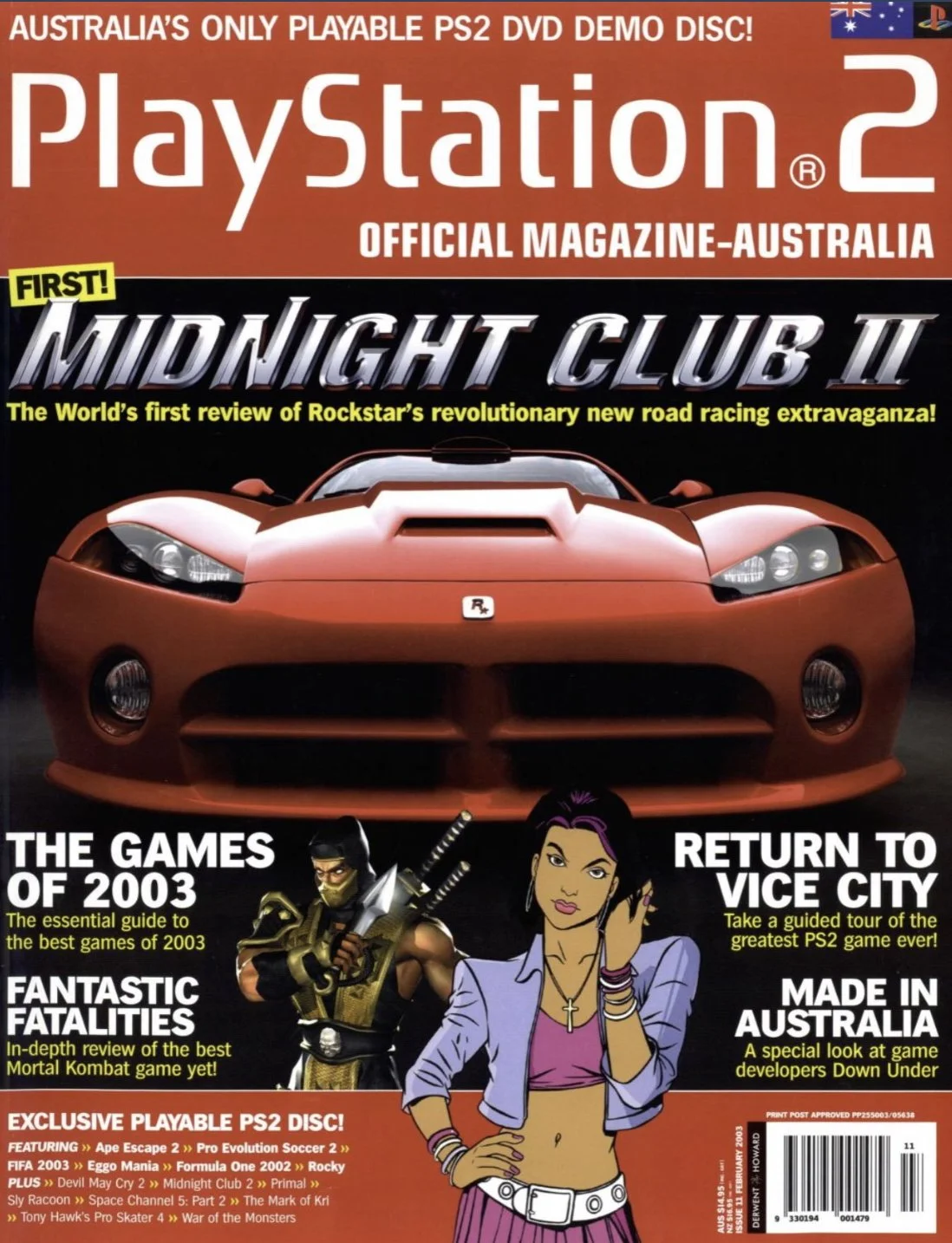
Mark Serrels remembers the era well. He was working for local publisher Derwent Howard on Official Playstation 2 Magazine Australia at the time. “It was a mad place to work. I remember waiting for review copies of games to arrive and huddling around the PlayStation to play games like God of War 2, or the first Assassin's Creed. I remember endless sessions playing Halo 3, and 2 am send days because everyone left all the work till the last minute. It was chaotic, frenetic and just heaps of fun.”
And, honestly, this is where it all gets a bit murky, because there simply isn’t much info about these magazines available online. And there was a LOT of them. So they all tend to blend into one another. Which confuses Google AI, and it says crazy things when you try and search for specific titles and what their deal was.
The internet ruins everything
If the 00s saw newsstands flooded with magazines, it was also when dedicated websites started to come into their own. This would have a profound impact on the magazine publishing industry. You can read more about that here - How the internet killed video game magazines.
Point being, while the decade began with a flood of new publications, the arrival of broadband internet, social media and iPhones saw a wholesale shift online. In response, magazines that used to via for space on newsstand shelves began to disappear.
As former Hyper editor Daniel Wilks told me, when we returned to helm the publication for a second time in 2013, things had changed dramatically. “First time around I had a deputy editor, a sizable freelance budget and autonomy. The second time around, I had a tiny budget, no deputy and another magazine to do at the same time.”
His experience isn’t unique, with local publishers working on shoestring budgets until the numbers stopped adding up and the titles were wound up.
That absence left only hazy memories, dusty back issues, and an incomplete history of what had once been. Even today, only a small percentage of these magazines have ever been scanned and uploaded for posterity.
The magazines that are best remembered are the ones that staked out their own personality. Magazines that developed a sense of community and unique local tone.
As Australian publishing alumni Seamus Byrne summarises. “I think we had a good grasp on creating in-jokes and being pretty parochial. I think Aussie writers have been good at taking serious things lightly sometimes and taking light things seriously. Fun was always front and centre, but when we decided to be serious it could really hold weight.”
….