Steve Harris, Electronic Gaming Monthly and Sendai Publishing
Chaos and madness.
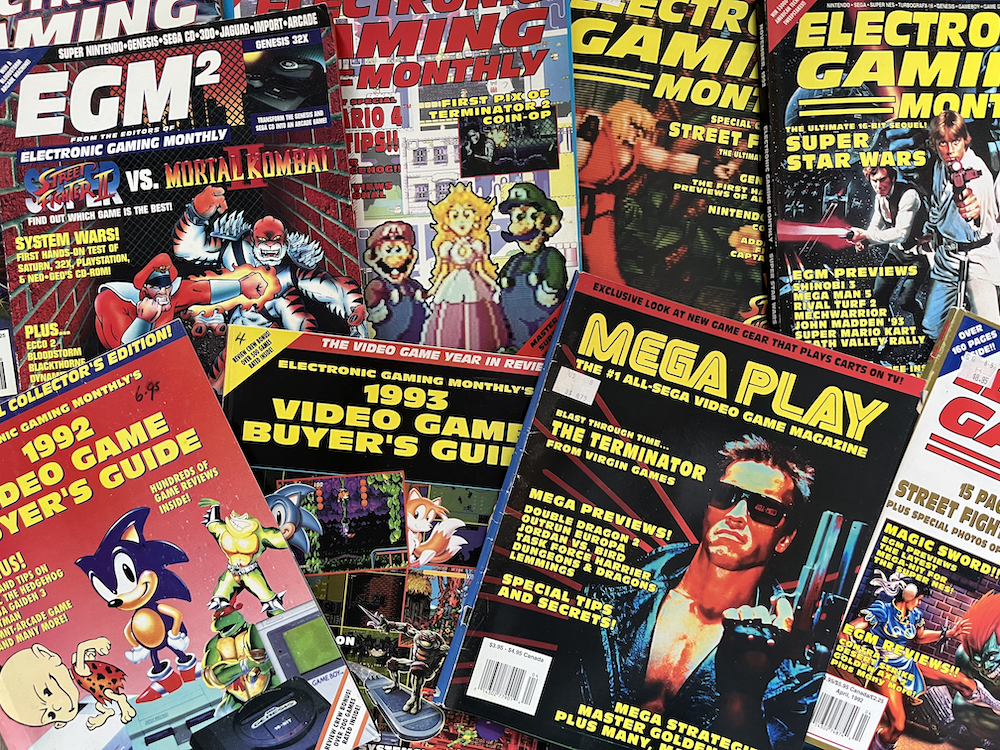
There’s been plenty written about Electronic Gaming Monthly (EGM) over the years. And that makes sense. After all, it is one of the most popular and iconic video game publications to ever appear on newsstands.
But it’s a story that’s been told. And retold.
What hasn’t been covered is the various offshoot magazines that EGM’s success helped fund.
Between 1990 and 1995, EGM’s parent company - Sendai Publishing - launched six new magazines. Which is a lot. Especially when you look at the company’s small head count and chaotic nature.
Founder and publisher Steve Harris was the driving force behind all this. By 27 he had a magazine empire that was pulling in over $30 million annually. He also had a fleet of luxury cars and a slightly terrifying office persona.
Point being, there’s a story here. So, I decided to take a deeper dive, and find out how a small outfit out of, Lombard, Chicago, managed to transform video game publishing in the early 90s, and the long-forgotten magazines that helped make it a reality.
Start as you mean to go on
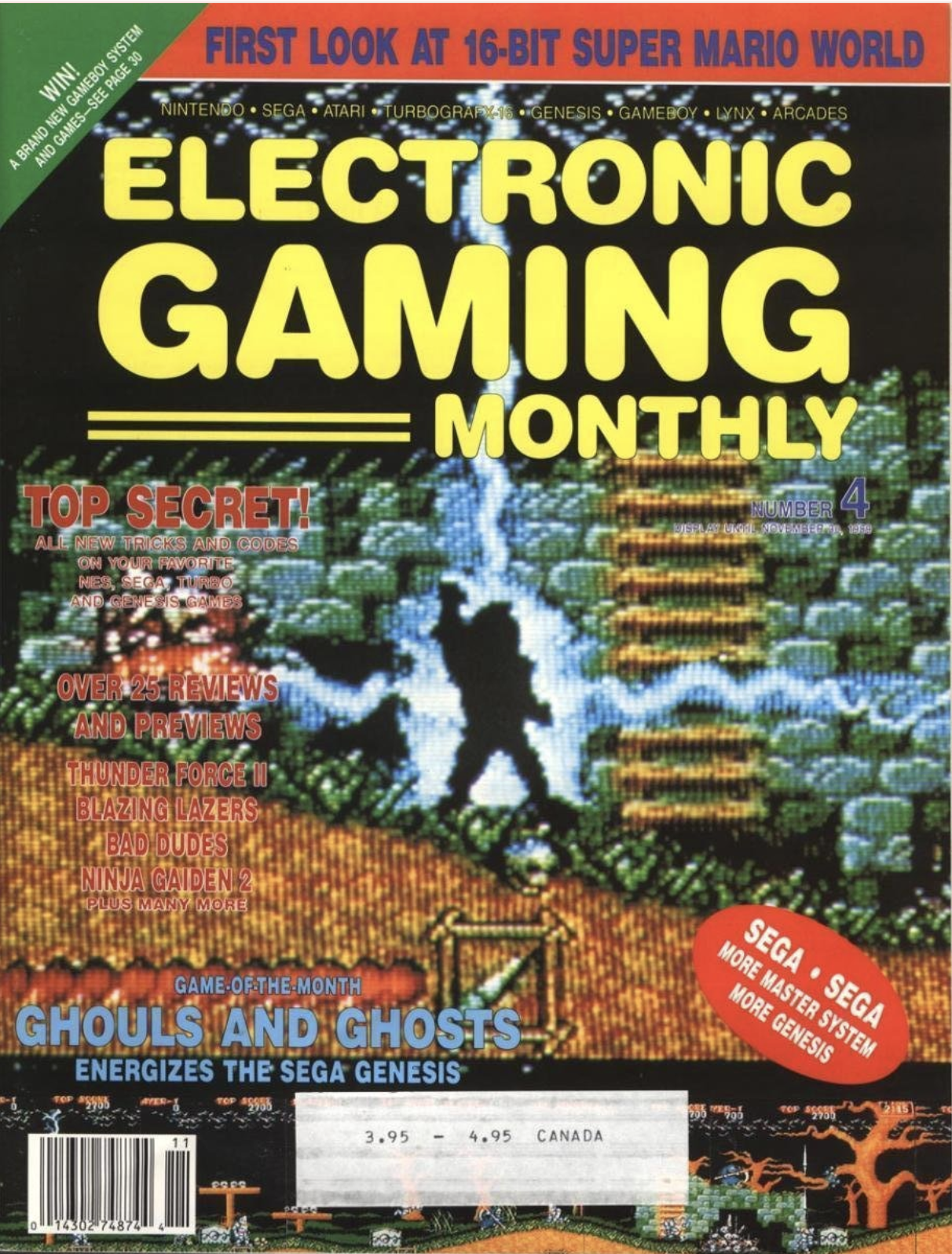
Electronic Gaming Monthly (EGM) was launched in 1989 by Steve Harris. The magazine was one of the first US publications to take advantage of the late 80s video game resurgence and quickly found an audience. But its origins date back several years, and start with a high school drop-out playing arcade games competitively.
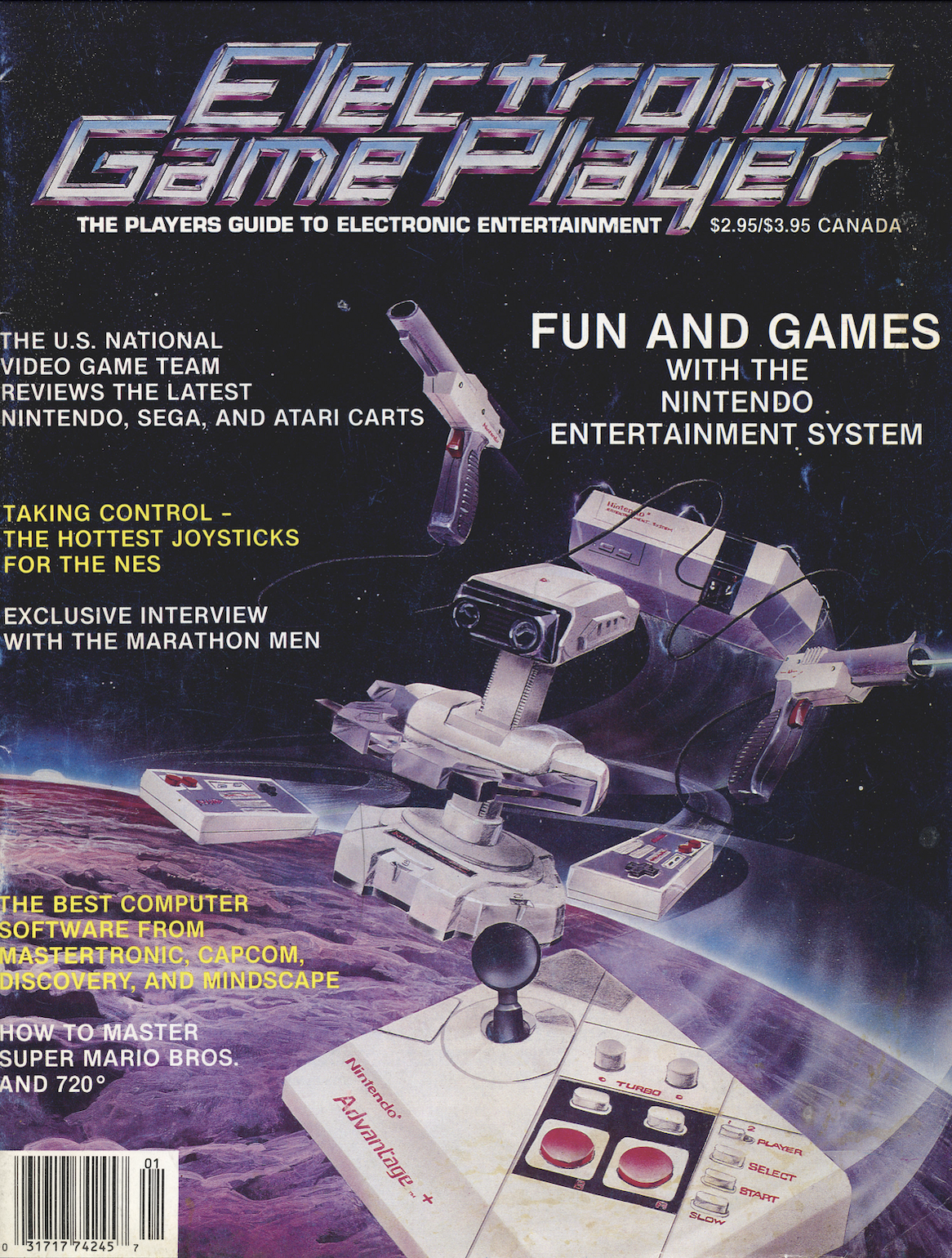
Steve was an original member of the U.S. National Video Game Team, where he set world records and toured the country in the mid-80s. He parlayed that success into launching the 1987 Video Game Masters Tournament, and used the money earned from that to launch Electronic Game Player magazine. That only lasted four issues, but it attracted the attention of a magazine distribution company, which contacted Steve, and offered him something like $100,000 to start a new publication which they would distribute - Electronic Gaming Monthly.
By this point, the Nintendo Entertainment System (NES) had salvaged the US video game industry from its mid-80s crash, and video games were big business again. Despite this, there was little in the way of associated media and magazines. Nintendo Power was the gold standard, but it was still a glorified catalogue. Sega Visions was the same, only worse. And while there were various computer publications around, these tended to be dry and technical.
When EGM arrived in 1989 it tapped into a ready-made market. And while the NES was the focus, the magazine also covered a range of rivals including the newly launched Sega Genesis and TurboGrafx-16 alongside PC games and aging relics like the Commodore 64 and Atari 7800.
These early issues were selling around 60,000 copies a month at $4 a pop. Which works out to about $240,000, and is a decent little business. But once you account for printing costs, distribution costs, and associated overheads most of that profit has evaporated.
What to do? Well, if your name is Steve Harris, and you happen to be the owner of Sendai Publishing, the answer is simple. You launch more magazines.
Cut Copy, Mega Play
Mega Play was the first magazine Sendai added to their publishing stable. Released in 1990 to cover the newly released Sega Genesis, it would remain in circulation until 1995. Which is quite an achievement given most of the content was cribbed directly from EGM proper, with only minor updates and some additional guides to pad things out and justify a standalone magazine.
According to former associate editor, Ray (Radd) Price, “Making a page for Mega Play was very simple. It usually involved taking a page from EGM, changing the color scheme, shuffling the layout around, and changing the bit that read Electronic Gaming Monthly to Mega Play.”
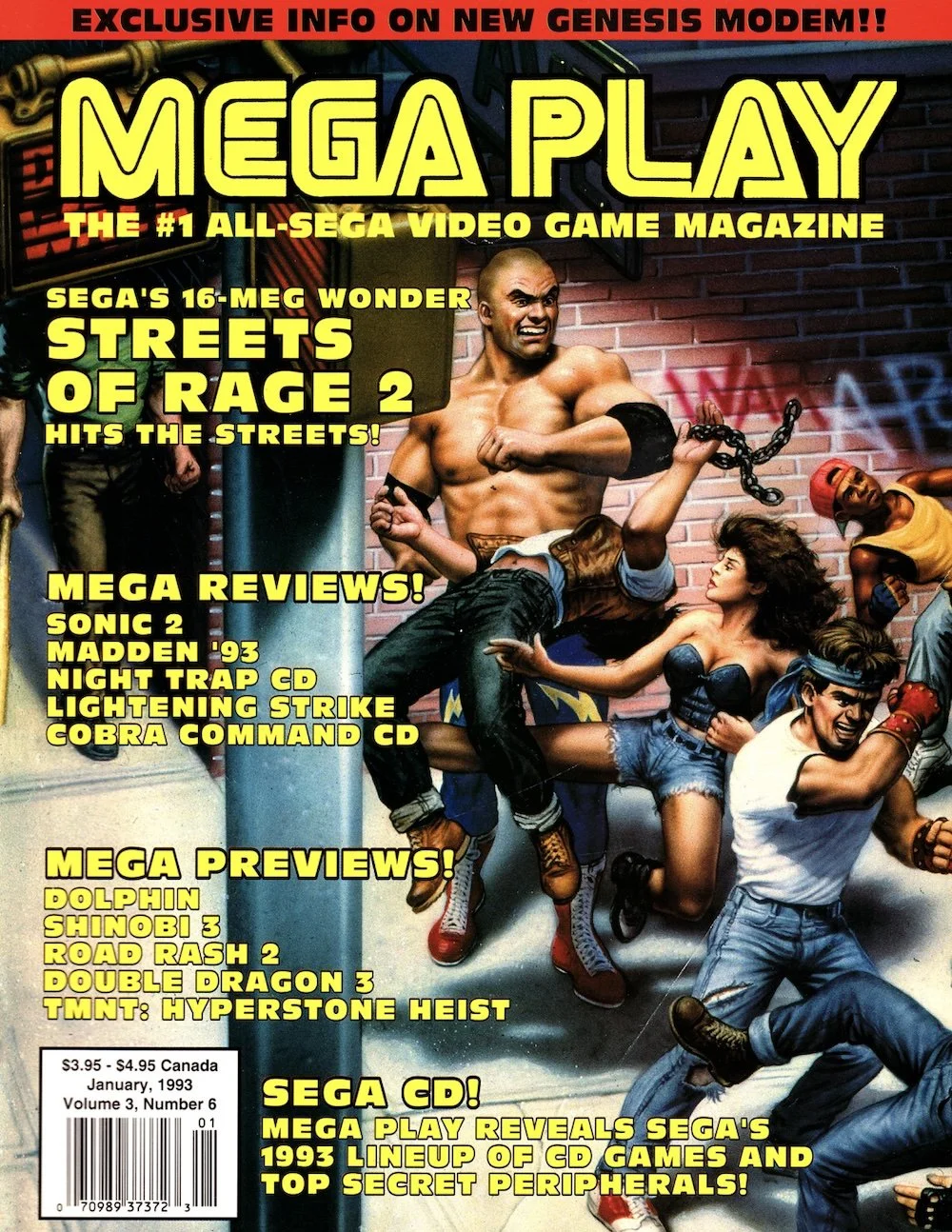
Mega Play was first introduced as a supplement within EGM before becoming a bi-monthly magazine. At one point it was supposed to shift to a monthly format with a print run of 200,000 copies but that never happened, and it just kinda kept plodding along to shrugs and indifference for several years.
Still, it served as a proof-of-concept for Sendai’s expansion plans, and set the groundwork for the next phase of the company’s expansion.
“He’s fearless in business.”
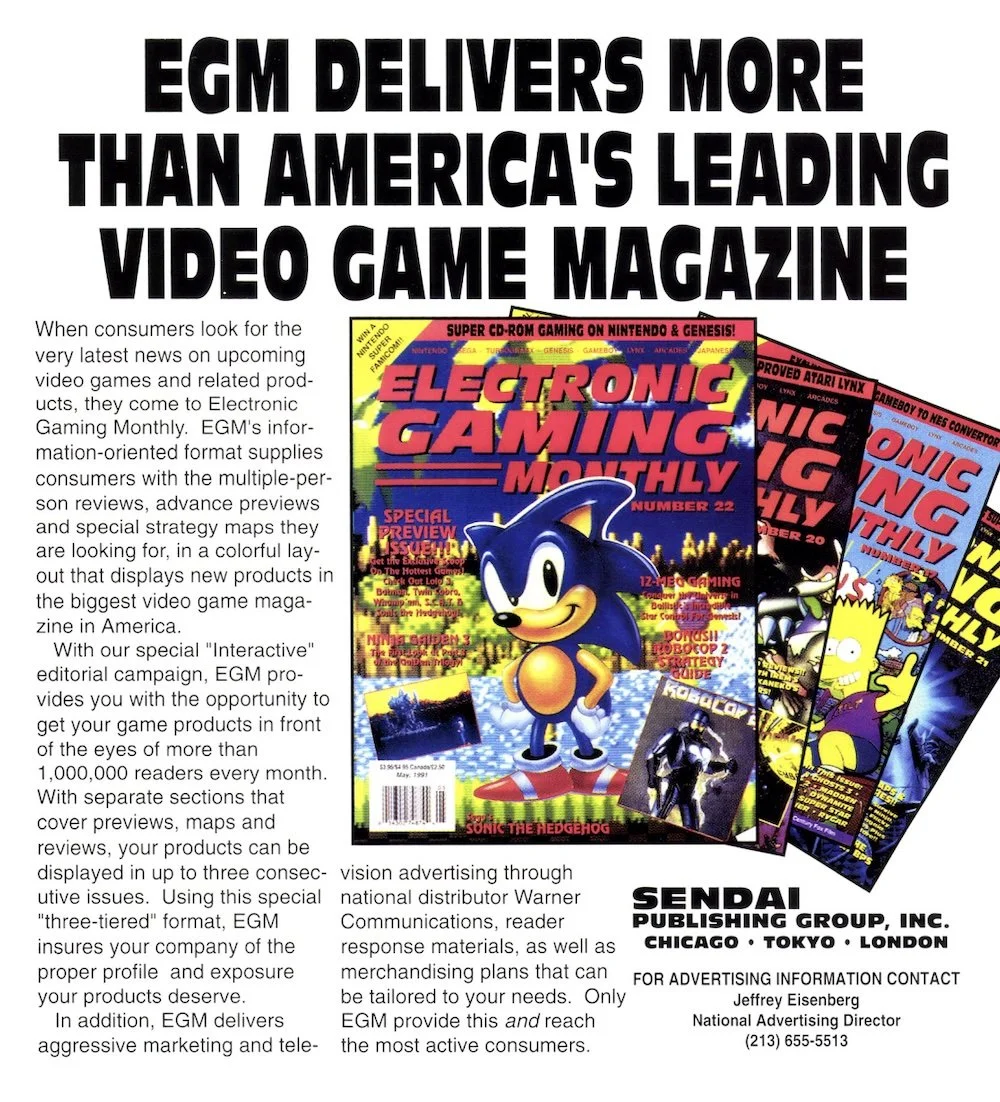
1991 was a big year for Sendai. Not content with the growing success of EGM and Mega Play, the publisher launched four additional magazines. Four! Computer Game Review, Electronic Gaming Retail News, Super Gaming, and the Super Nintendo Buyers Guide.
Before we get into all that it’s worth pausing to talk a little about Steve and Sendai Publishing. Because there’s surprisingly little information out there about him and the company he founded.
The most substantial piece of reporting is a 1996 article by the Chicago Reader, which profiled Steve as he cashed out, and sold his company to Ziff-Davis.
At the time, Ziff-Davis executive Jon Lane, had this to say about Steve. “He’s the typical enthusiast who does what he loves and it grows. He understood the game marketplace very well because he was the total enthusiast who had his finger on what people like him wanted to know.”
Lane continued, “He’s fearless in business. It’s a big risk to start an enthusiasts’ magazine. You’re putting yourself on the line, your personality and your money. But Steve believed that the information that people like him wanted was lacking, and he had to get it out to them.”
Which is exactly the sort of thing you’re supposed to say after buying someone’s company. But it doesn’t tell us much about the day-to-day reality at Sendai as the team scrambled to launch more and more magazines. For that kinda info we’re gonna have to keep digging.
Sendai goes big
Okay, back to all the madness of 1991. Sendai publishing launched four new magazines to sit alongside EGM and Mega Play.
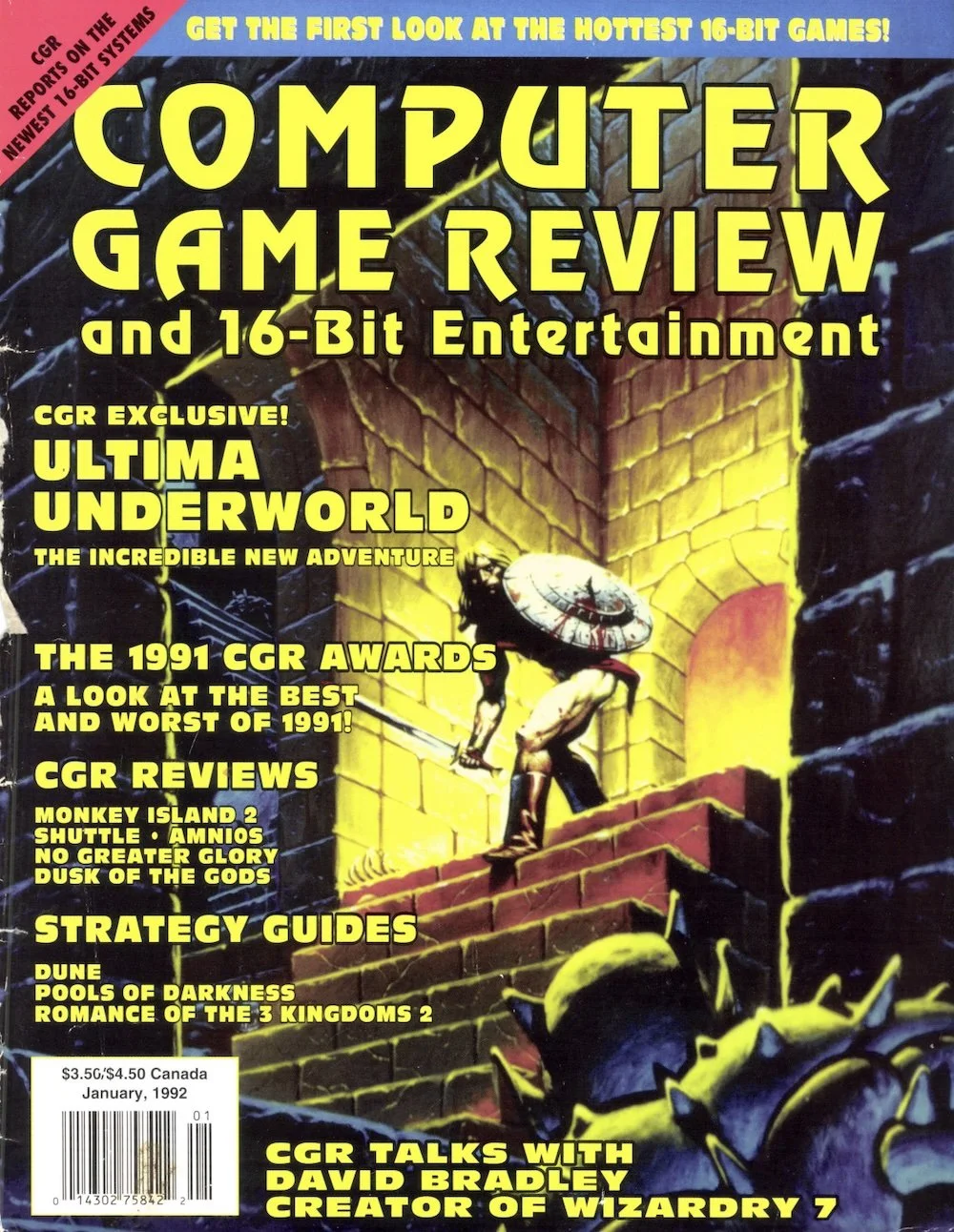
Computer Game Review is the least interesting magazine on the 1991 Sendai Publishing freshman roster, so let’s get that one out of the way first. Honestly, all you really need to know about this one is that it initially included some console coverage alongside the Amiga and PC. Which doesn’t make any sense in a magazine called Computer Game Review, so they dropped the console coverage and the magazine ran until 1996. Fine. Whatever. Let’s keep it moving.
Electronic Gaming Retail News was pitched as an industry insider journal. The modern equivalent would be the Substack subscription with a bunch of news, graphs and speculation about where the industry was heading.
Each of these ran about 30-40 pages long, with 12 issues produced in total. An initial monthly cycle was later switched to semi-regular magazines produced to coincide with the Consumer Electronics Show. The content was a mix of industry interviews, gossip and speculation. Sample text, “The feeling from retailers is that the 8-Bit market has seen its heyday and will continue to decline until it no longer exists.”
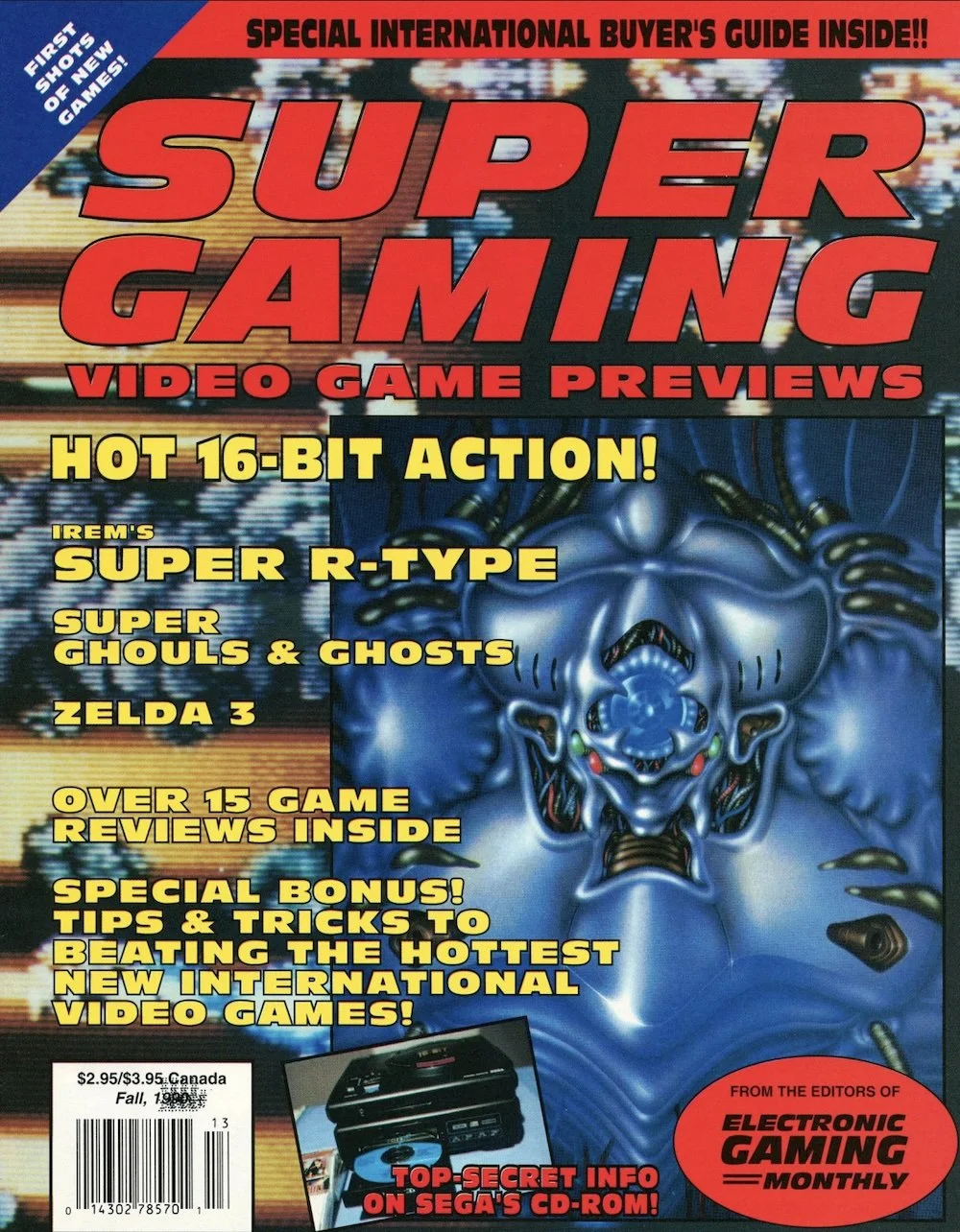
Super Gaming was an attempt to capture the import market crowd. Back in the early 90s there was long lag times between a game coming out in Japan vs the rest of the world. And more often than not, games didn’t receive a western releases at all. That gave rise to a vibrant import market, with catalogue ads in the back of EGM showcasing the latest import releases. One of these catalogues would eventually become GameFan magazine, but that’s a whole other story.
Point being, Sendai wanted in on that market, and Super Gaming was launched to highlight the latest Japanese releases. If the company had launched a mail order business to sell these games they may well have been on to something. But they never did, which left us with another magazine covering things that were already in EGM. Which meant it folded after just four issues.
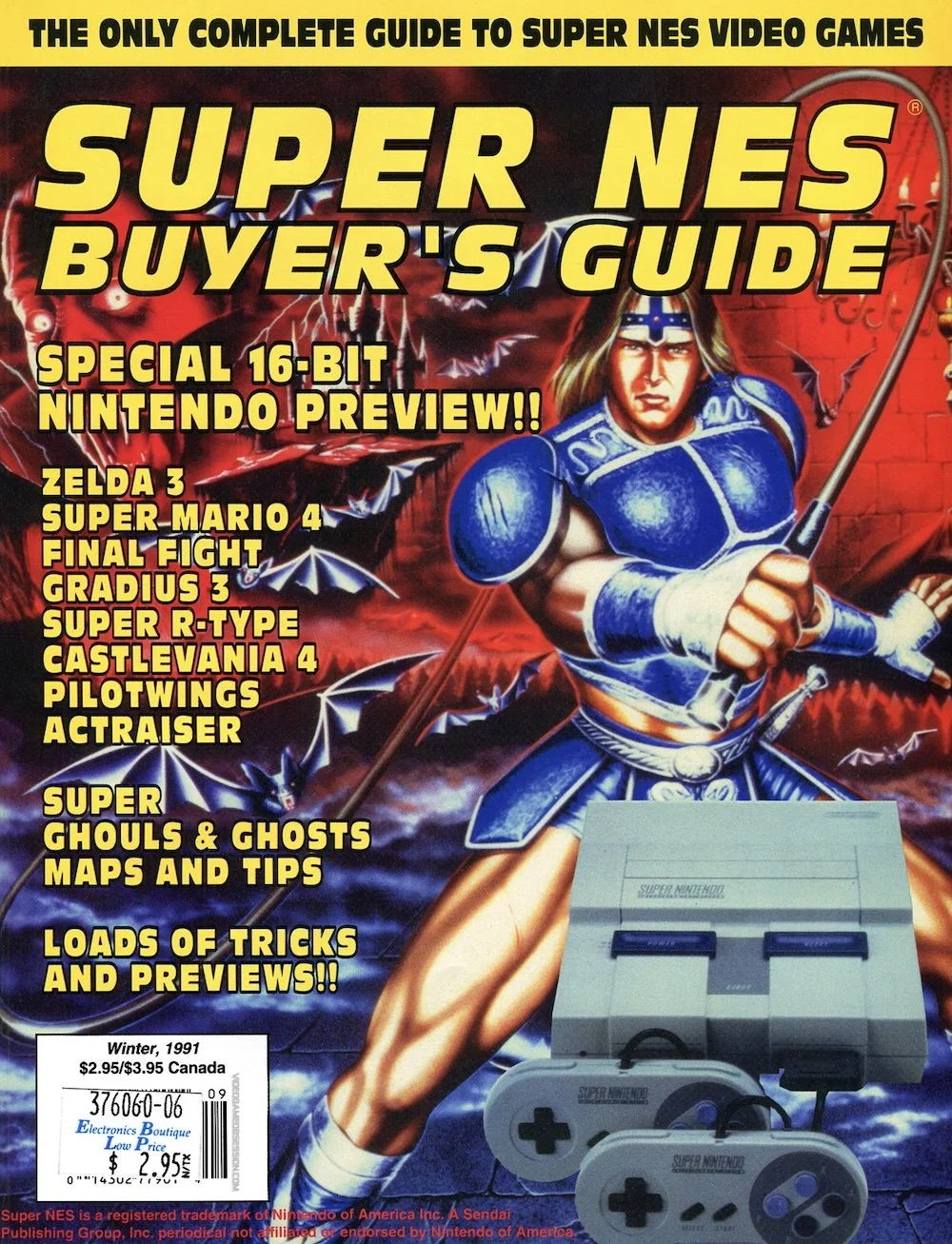
Oh, and finally, they launched the debut issue of the Super NES Buyer's Guide in December 1991. Which is essentially just Mega Play but for the Super Nintendo.
Inside baseball
Launching four new publications in a single year - while also maintaining your flagship magazine and other concerns - sounds crazy. And it was. So spare a thought for the staff who had to deal with all this. As Ken Williams, AKA Sushi X, noted in the Pixels to Pages documentary, Sendai managed this by having “the same people do double the work… and that's when things started to get a little bit stressful.”
For context, the editorial staff at this point numbers about 30 people. And if you really want to get into the weeds, Ray Price has detailed his time at Sendai more honestly than most. You can read his account online. But for the sake of brevity here’s a quote from Ray’s article.
“What was Steve like? I honestly don't know. I didn't know him well at all. He was relatively tall, with long black hair, mid-20s. Very distant and inaccessible as a boss, he definitely sat on a level above the rest of us, and although he was maybe five or six years older than me, he was the most intimidating man I'd ever met, next to my own father. He had a gold placard on his desk that read "Steve Harris: God-Emperor of Sendai".
If 1991 was madness and insanity, things eased up a little over the next couple of years as Sendai ditched magazines that weren’t performing. By the end of 1993 the roster had been trimmed down to just 4 titles.
EGM
Computer Game Review
Mega Play
Super Nintendo Buyers Guide
EGM2
Based on everything we know about Steve Harris at this point, publishing ONLY four magazines is rookie numbers. 1994 would see the launch of EGM2, a magazine designed to fill that awkward four-week gap between each issue of EGM.
As EGM editor Ed Semrad tells it in the Pixels to Pages documentary: “Japan was always our influence. Famitsu magazine [was published] biweekly, and Steve would often say, ‘If only we could go out and be biweekly’ [that would increase revenue/reach]. But on the downside that means EGM is out only for two weeks.”
What the pair eventually worked out was that you could publish two magazines a month and keep them both on the newsstand if you simply named the second magazine something else. So they settled for EGM2…
The problem was they didn’t bother to hire new staff to run this magazine, and just figured everyone working for Sendai could knock out another magazine like it wasn’t a thing.
In any case, EGM2 was launched in 1994, would run until 1998, and managed to differentiate itself from the flagship title with a greater focus on strategy guides and previews. Which would be a nice and fitting way to bookend the Sendai publishing story… But we’re not quite done yet.
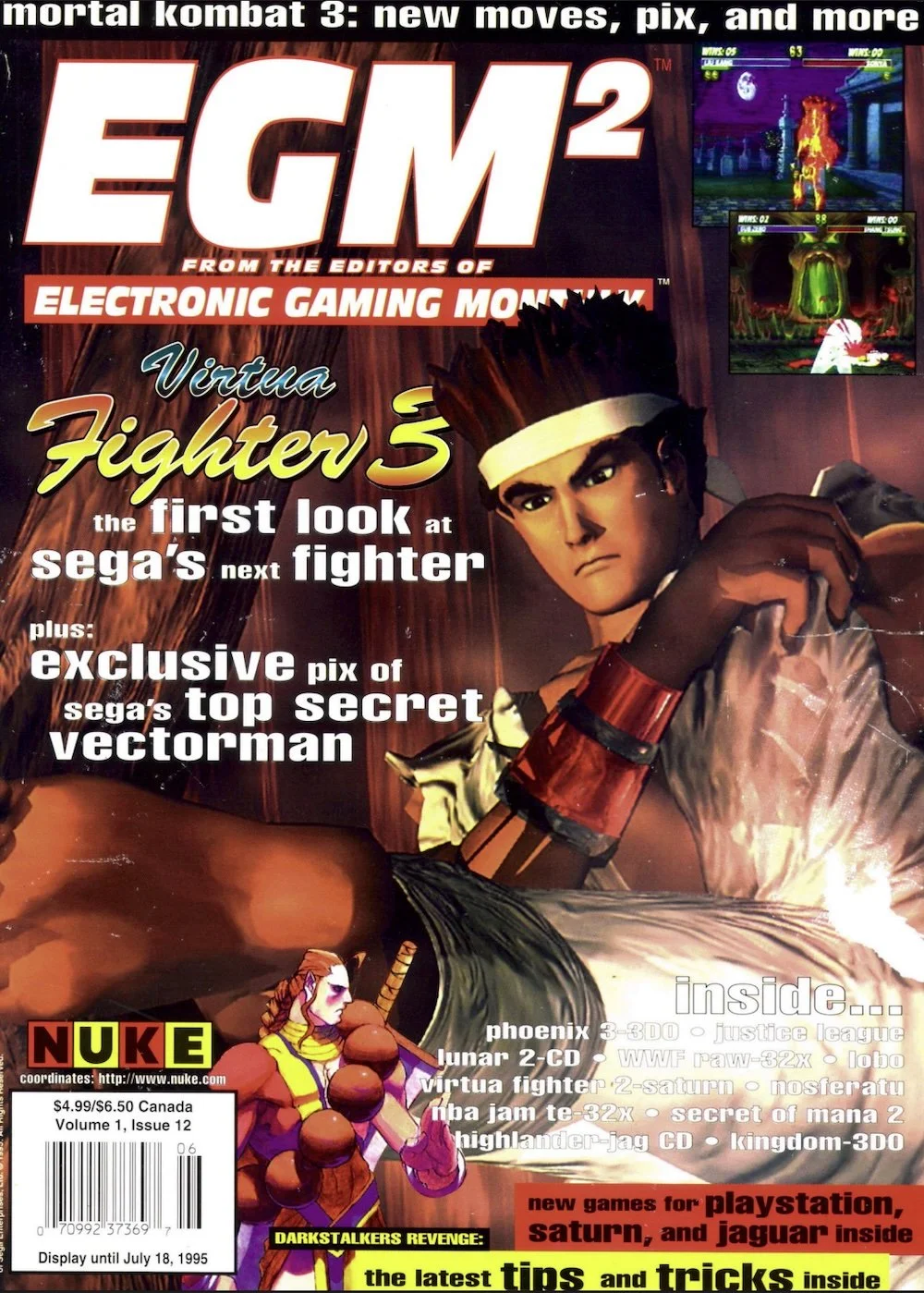
In 1995 the publisher launched Cyber Sports magazine. A title that seems to be a convergence of sports video games and actual sports. Which is an interesting idea, but there’s not much info about it online. So for the purpose of this article it’s dead to us.
The sale
Did you know Steve Harris once played the Atari Joust coin-op for 63 hours in a bid to set a world record. Now you do. And that fact alone speaks volumes about Sendai Publishing and its rapid rise in the early 90s.
But that kinda momentum is only finite. At some point you gotta take your foot off the gas or you drive over a cliff. And in 1996 Steve Harris sold Sendai to publishing juggernaut Ziff-Davies.
As he explained to the Chicago Reader in the aftermath of the sale. “The really easy way to see it is that I gave birth to these children and raised them, and now they’re going off to college. Ziff-Davis has a little better of everything than we have. They can put the magazines on more newsstands because of their contacts with distributors. They have the ability to do big subscription mailings that we didn’t have the resources to do. They can take these magazines and help them grow beyond what they are–it’s really like sending the kids off to college. It’s bittersweet.”
The article’s author takes a different analogy, noting that “The trouble with video games is, once you’ve mastered one, it’s no fun anymore. Time to move on to a new game. That’s been Harris’s way with magazines too: hit start, score high, play another game.”
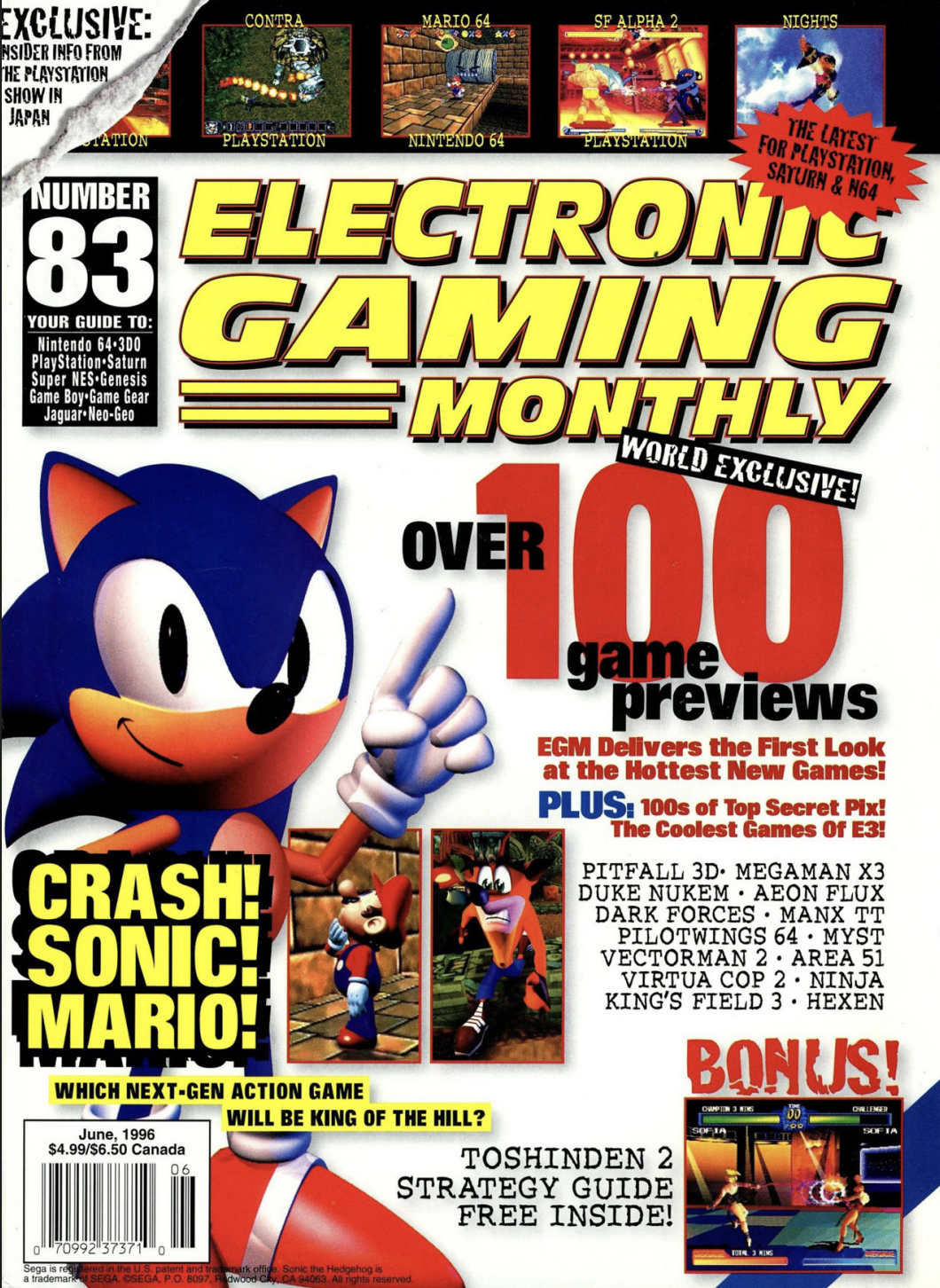
And that was that. Ziff-Davis picked up Sendai Publishing in 1996. The sale price was never publicly disclosed, but given Sendai was making over $30 million a year in revenue, it would have been a suitably generous offer. One that reflected the changing scope of the video game industry.
Because things were changing. By the mid-90s video game development and publishing had long jettisoned its start-up roots. The money required to compete had grown exponentially, as had the expectations.
Companies either scaled to meet these new conditions via buyouts and mergers or they fell behind and got trampled in the rush. Sendai publishing and EGM made the leap forward, but it came at a cost. It was no longer the same fan-led magazine staffed by neighbourhood kids who could play games better than their peers.
The first Ziff-Davis published edition of EGM premiered on June 1996 with Sonic on the cover. The staff numbers ran 120 deep across the various magazines by this point. It was the start of a new chapter. But those early issues of EGM will forever be my favourites.
***
Read the original EGM article here.
Read our interview with Dan ‘Shoe’ Hsu here.