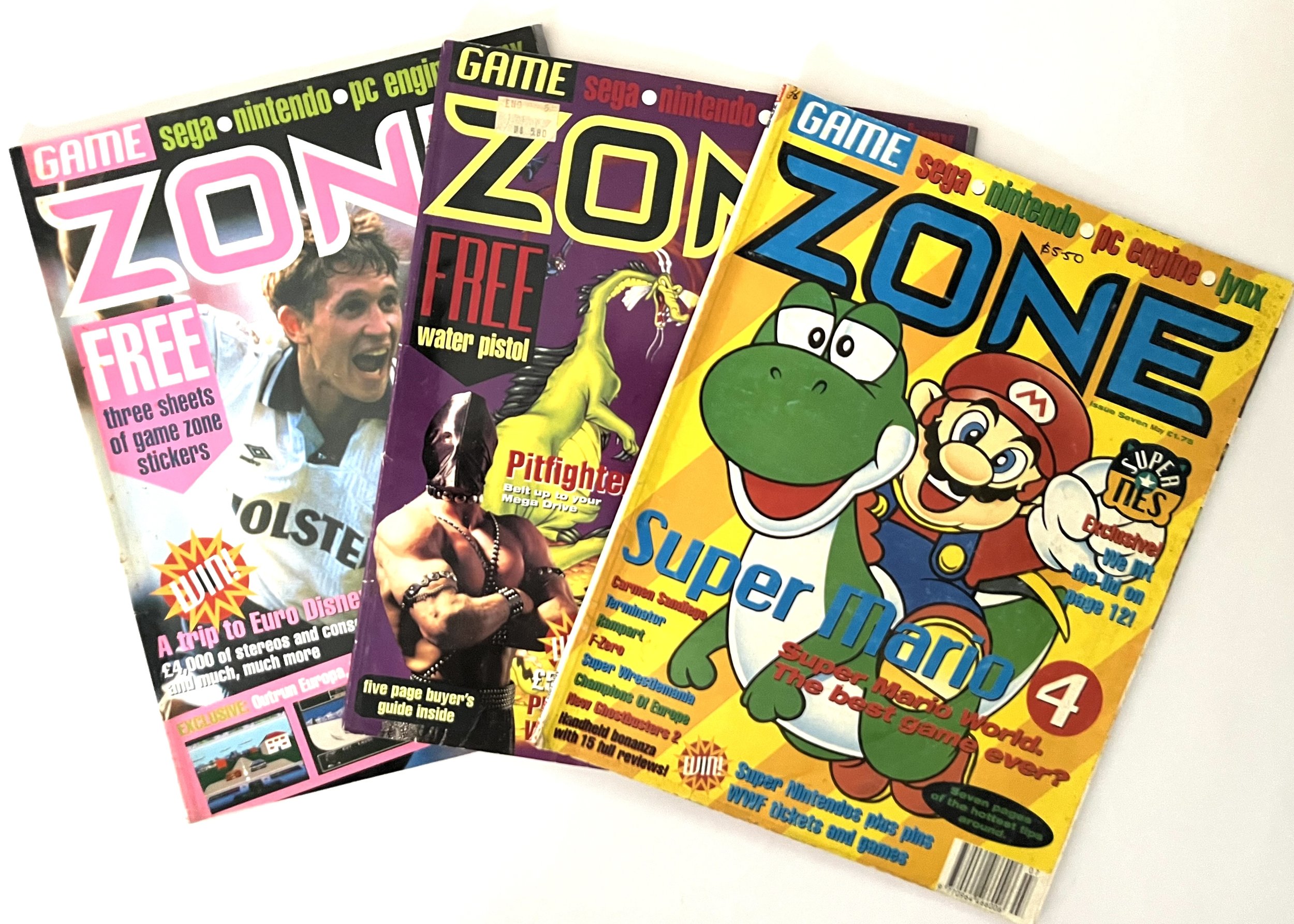
Game Zone magazine
Game Zone doesn’t get mentioned much these days. It’s not a magazine that people bring up when talking about childhood favourites. It’s no EGM or Mean Machines.
But it’s worth a closer look. Because the story of Game Zone is also the story of Sega vs Nintendo, and the impact of the early 90s console wars on magazine publishing.
I reached out to one of the magazine’s original writers, Daniel Pemberton, to help fill in the gaps.
Welcome to the 90s
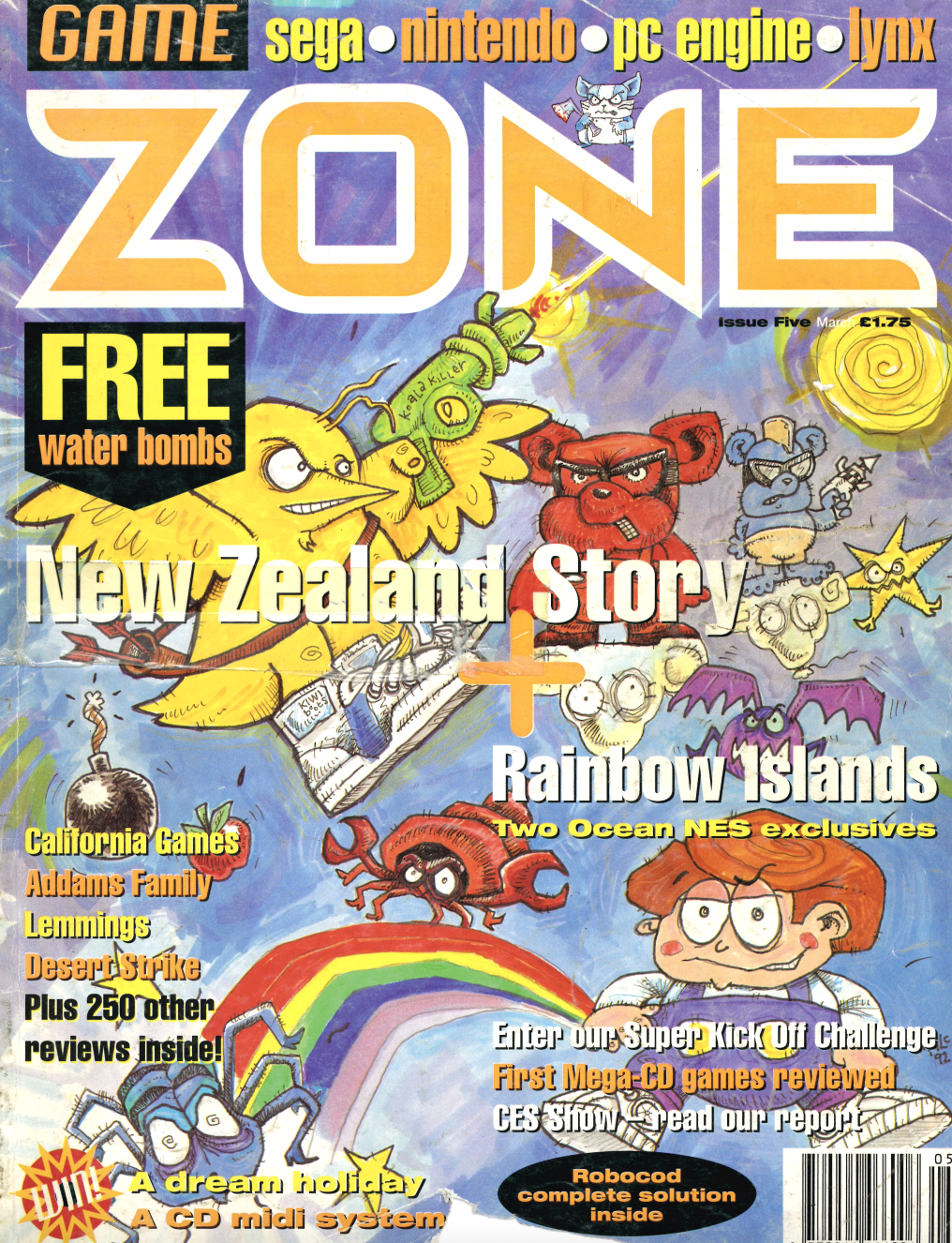
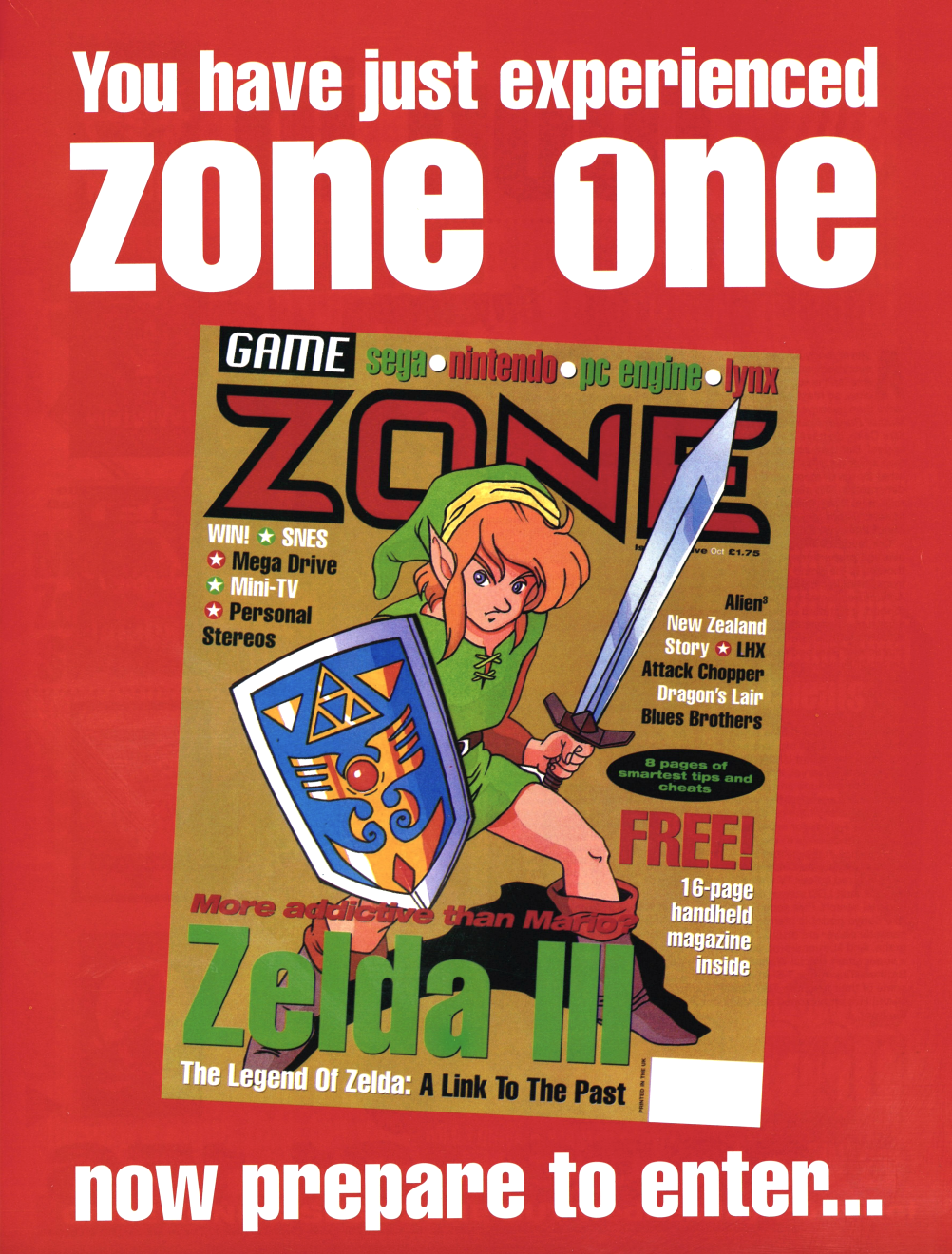
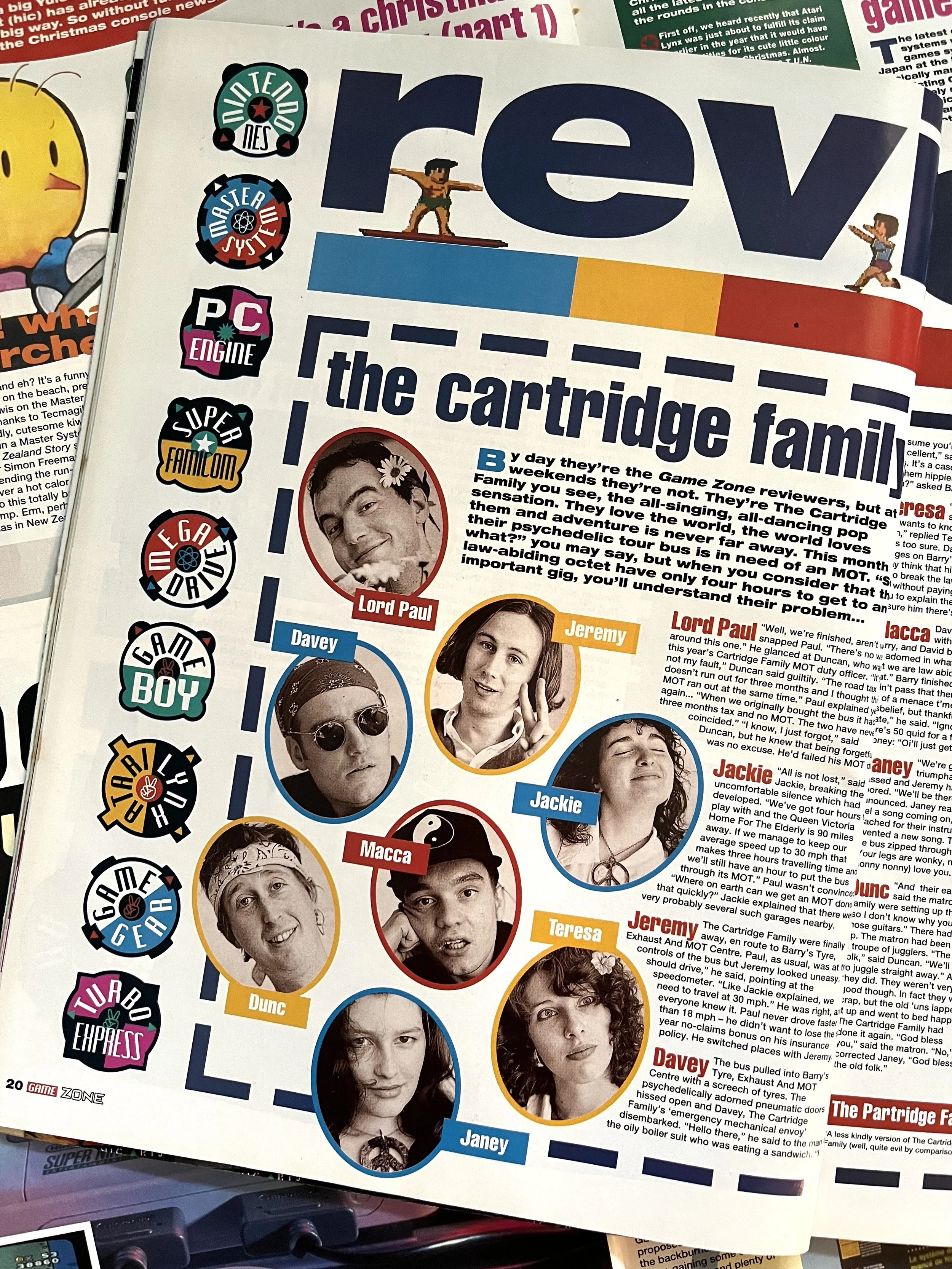
Game Zone made its debut in November 1991. Launched by Dennis Publishing in the UK, it covered the main home consoles and handhelds of the era. This included the Mega Drive, Super Nintendo, NES, Master System, and PC Engine. Also, the GameBoy, Game Gear, Atari Lynx and PC Engine Turbo Express. So, a lot…
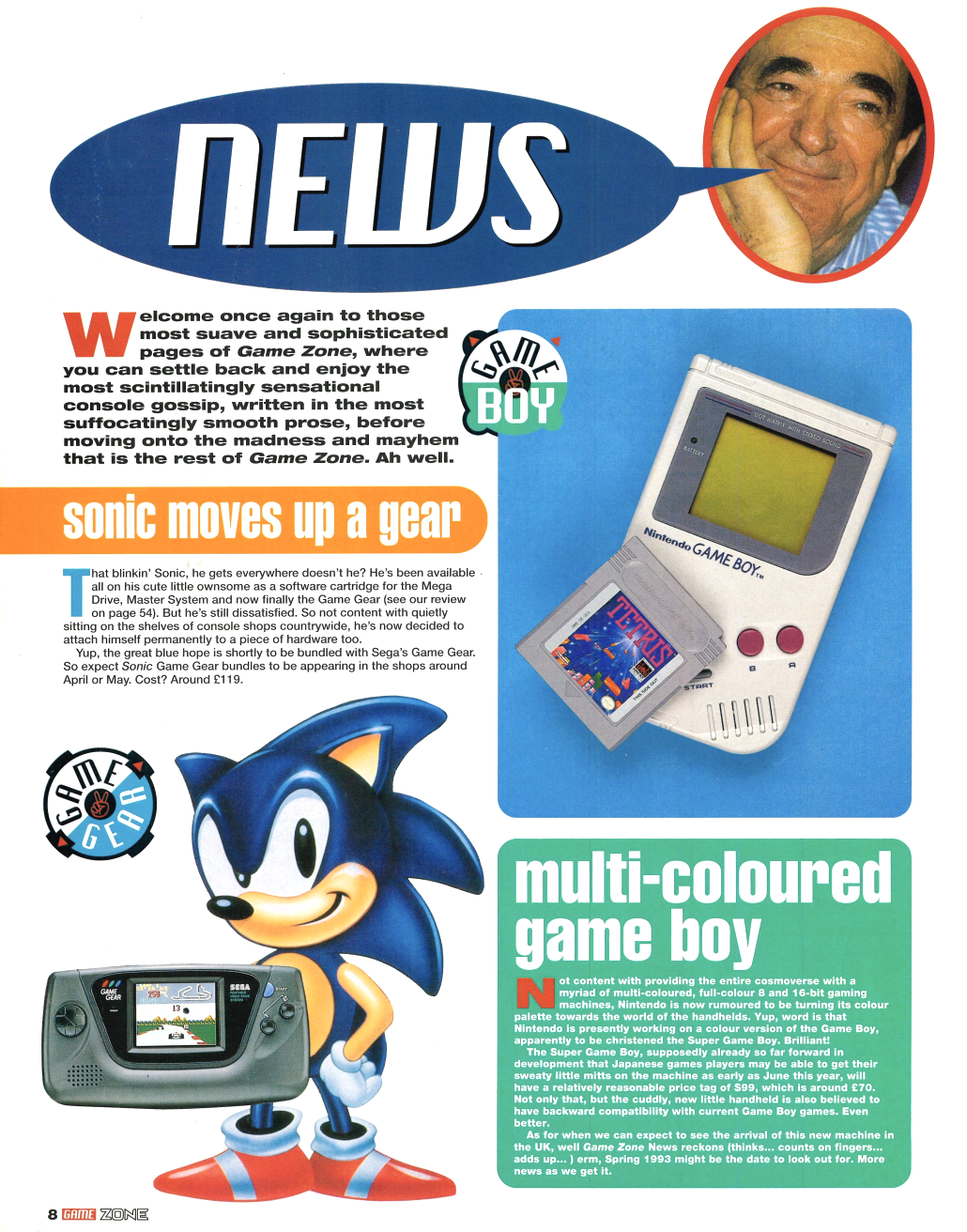
The actual content was a familiar mix of news, previews, reviews and guides. Albeit, with an irreverent and pop-culture leaning slant. Which makes sense given the founder of the company, Felix Dennis, got his start in 1960s counterculture magazines, branched out on his own with a Kung Fu title in the 70s, and eventually launched Your Sinclair in 1986, a magazine that became known for its “tone of voice”.
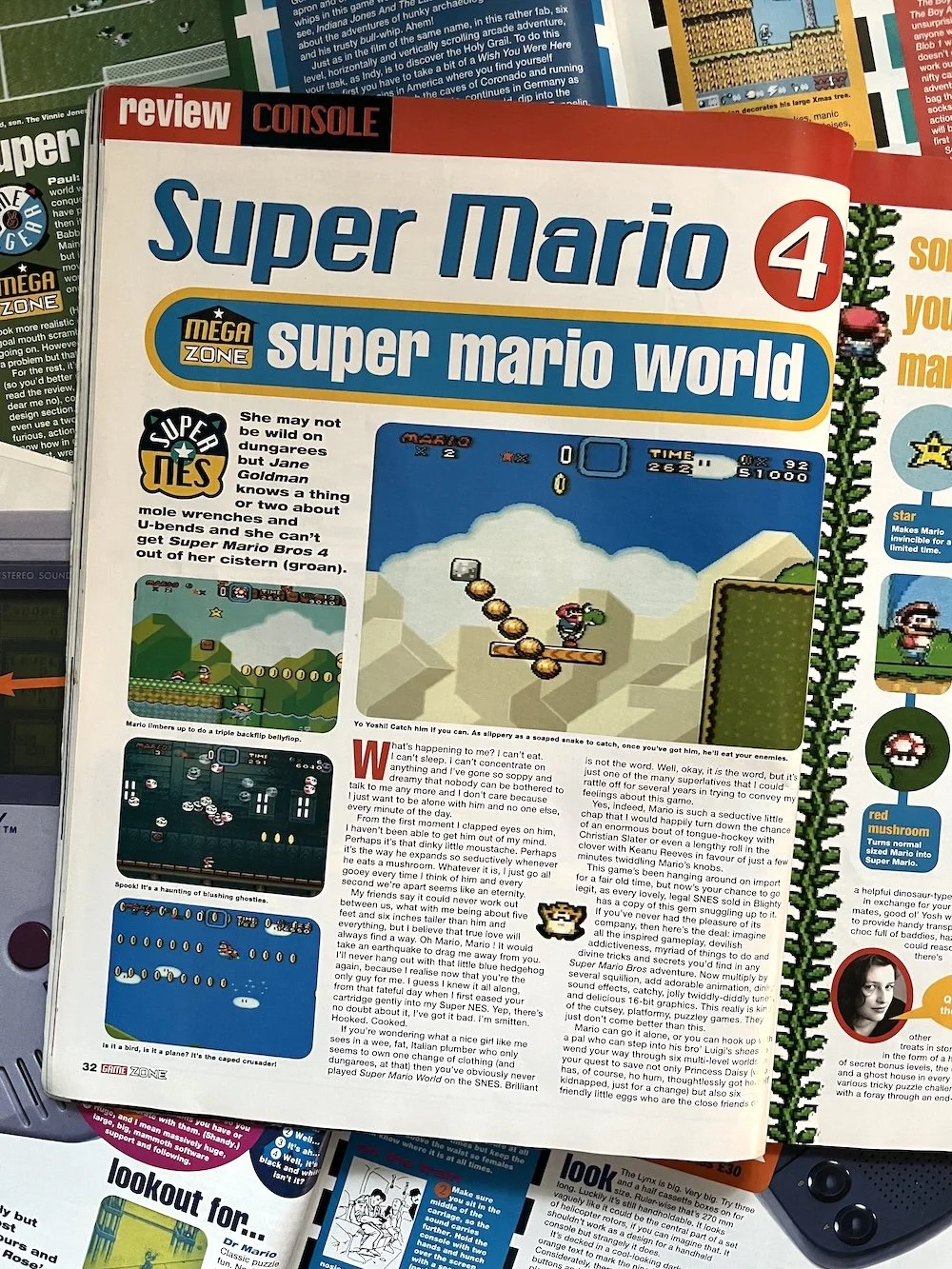
By the time Game Zone hit the newsstands that particular mix of pop-culture boxouts, sarcasm and irreverence had been neatly distilled, and it ran through the magazine's 100+ pages every month.
This included an ironic fashion section - Kev’s Kool Kode, fake celebrity interviews, and ongoing references to drowned publishing magnate Robert Maxwell. You may have heard of his daughter, Ghislaine…
As Daniel Pemberton told me, “Game Zone continued the lineage of irreverent, humour based games coverage that had come before from Zero and Sinclair User. It didn’t take itself too seriously. I found the other magazines too over the top and trying too hard to appear cool. Game Zone [was cool] because it didn’t try. I also think the art direction on the magazines was amazing and still stands up to this day fantastically.”
We thought of it first
While circulation numbers aren’t available, we can assume that Game Zone did okay during its initial 12 months on newsstands. The page counts remain high and there’s a healthy mix of advertising. But it’s what happened next that makes this story worth telling.
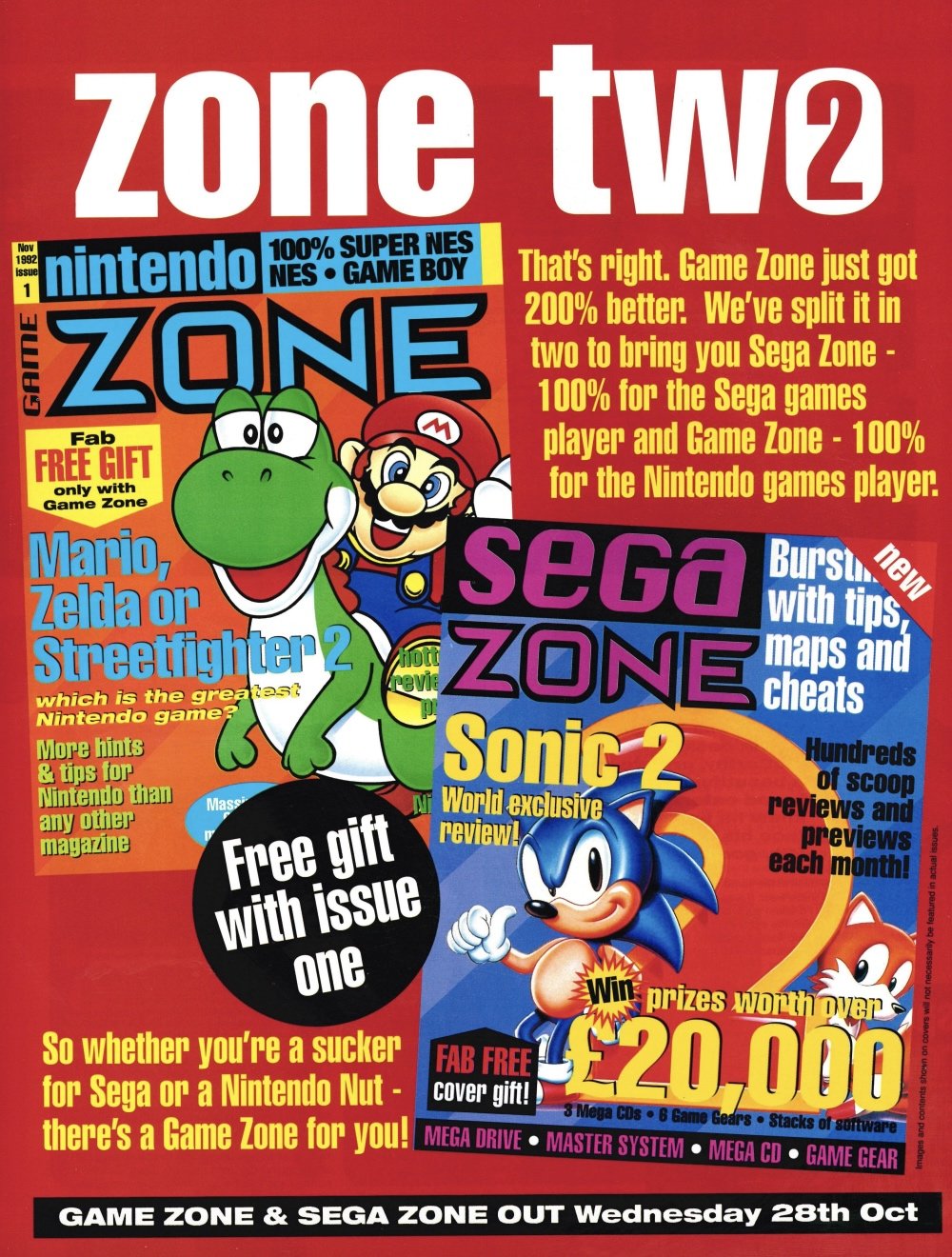
In October 1992 the magazine was split into two separate titles. Sega Zone and Nintendo Game Zone. As the names imply, these new titles would be Sega and Nintendo specific.
Which is interesting timing… because rival UK publisher, EMAP, did the exact same thing. The exact same month…
In October 1992 EMAP split the massively successful Mean Machines magazine into two separate titles - Mean Machines Sega and Nintendo Magazine System.
Was this a coincidence? Well, the timing might have been. But the underlying intention wasn’t.
Sega vs Nintendo
By 1992 the UK console wars were in full flight. Kids were updating from their old 8bit computers to a new generation of systems. That generally meant either Sega or Nintendo. And since your choice had far reaching consequences, it created a tribal loyalty more often associated with football clubs.
This had significant ramifications in the magazine publishing world.
Initially, Sega and Nintendo console coverage was simply added to the multi-format publications of the era. So titles like CVG, The Games Machines, Raze and Game Zone.
This worked out okay in the early days. Home console were still a relatively small part of the market. So you could lump in the Sega and Nintendo systems alongside the PC Engine, Neo Geo and ageing home computer coverage.
But as Sega and Nintendo gained traction, the market share began to shift in their favour. This created concentrated pockets of gamers who only wanted to hear about their systems. And there was enough of these people to justify stand-alone magazines.
As Daniel notes, “I got the sense [that the magazine splintering in two] was pushed upon [the editorial team]. People were going into tribes - either Sega or Nintendo. No one wanted to spend money on a mag where half of it was about the gang you hated.”
Point being, the early 90s saw the UK publishing market flooded with Sega and Nintendo specific magazines. Especially Sega magazines…
Sega Pro, Sega Power and MegaTech all appeared on UK newsstands in 1991. Sega Force, Mega Drive Advanced Gaming and Mega appeared in 1992 alongside Sega Zone and Mean Machines Sega.
Question is, did this pivot to console specific magazines work?
Kill your darlings
As you may have guessed, there’s only a finite number of Sega (or Nintendo) magazines any given market can sustain. And the UK market quickly became flooded with titles. From a financial market perspective this was unsustainable. And it wasn’t helped by the arrival of official Nintendo and Sega licensed magazines.
“Officially licensed magazines made life more difficult,” says Daniel, “as they would secure exclusive interviews, reviews and access. The release of the official Nintendo mag really upended the market - they would get the exclusives first so everyone else was competing with them from my memory.”
In response, the publishers began buying up rivals and consolidating the market.
Future Publishing purchased both Sega Zone and Nintendo Game Zone in 1993, adding them to their suite of magazines. They then sold both properties to Maverick Magazines in 1994. Which closed them soon after…
“I think it was a way for Future Publishing to clear out the competition," confirms Daniel. “And I think Dennis [publishing] wanted them sold as they could see sales were on the way down. Future could shove it in their big video game mag machine and see if they could turn it around on the cheap. They couldn’t and it all ended in a bit of a whimper.”
“It’s a shame, because the early years at Dennis Publishing for both Game Zone and Zero were absolutely amazing. A pivotal part of my life - and also funded me to start making music - which turned out pretty well in the end ha ha.”*
Desperate struggle
While Game Zone and its spin off titles aren’t remembered with the same fondness as other magazines from the era, they capture a moment in time.
An era when UK publishers went from general magazines covering a range of systems to hyper specific titles aiming to cash in on a booming console market.
It couldn’t last... But for a brief, glorious moment, walking into a newsagent gave you more magazine options than any economy could sustain.
….
*[Side note - Daniel is actually is world renowned composer with a long list of film scores and awards to his name, including Spider-Man: Into the Spider-Verse, and Enola Holmes]
[Second site note - Daniel started work at Game Zone aged 13, after a work experience stint. He used to run the tips sections. Which is a fun detail I failed to incorporate into the article proper…]