Video games to vaporwave
How an online aesthetic emerged from Japan’s bubble economy.
What did the future look like when you were a kid? If you came up playing video games in the 90s there’s a good chance it was inspired by the visual signals that came out of bubble economy Japan. This is the story of how Japanese video games and media helped imagine the modern world.
***
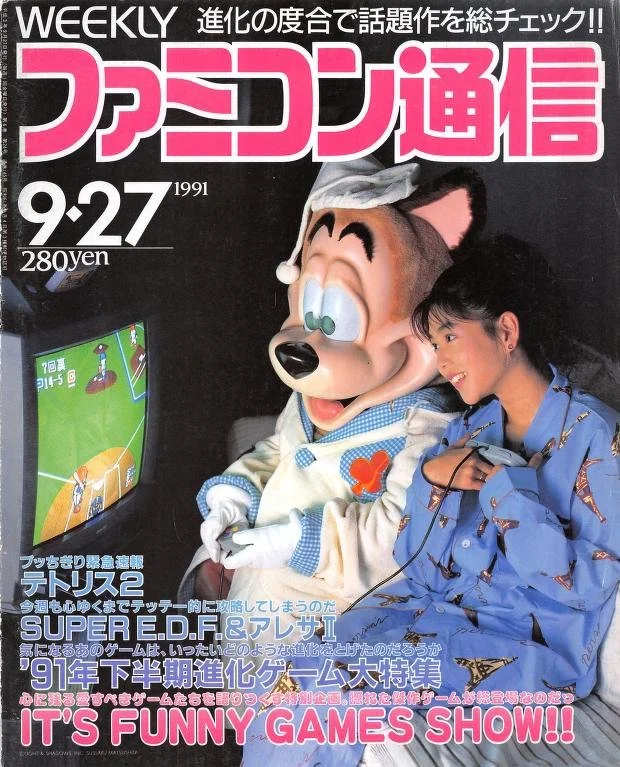
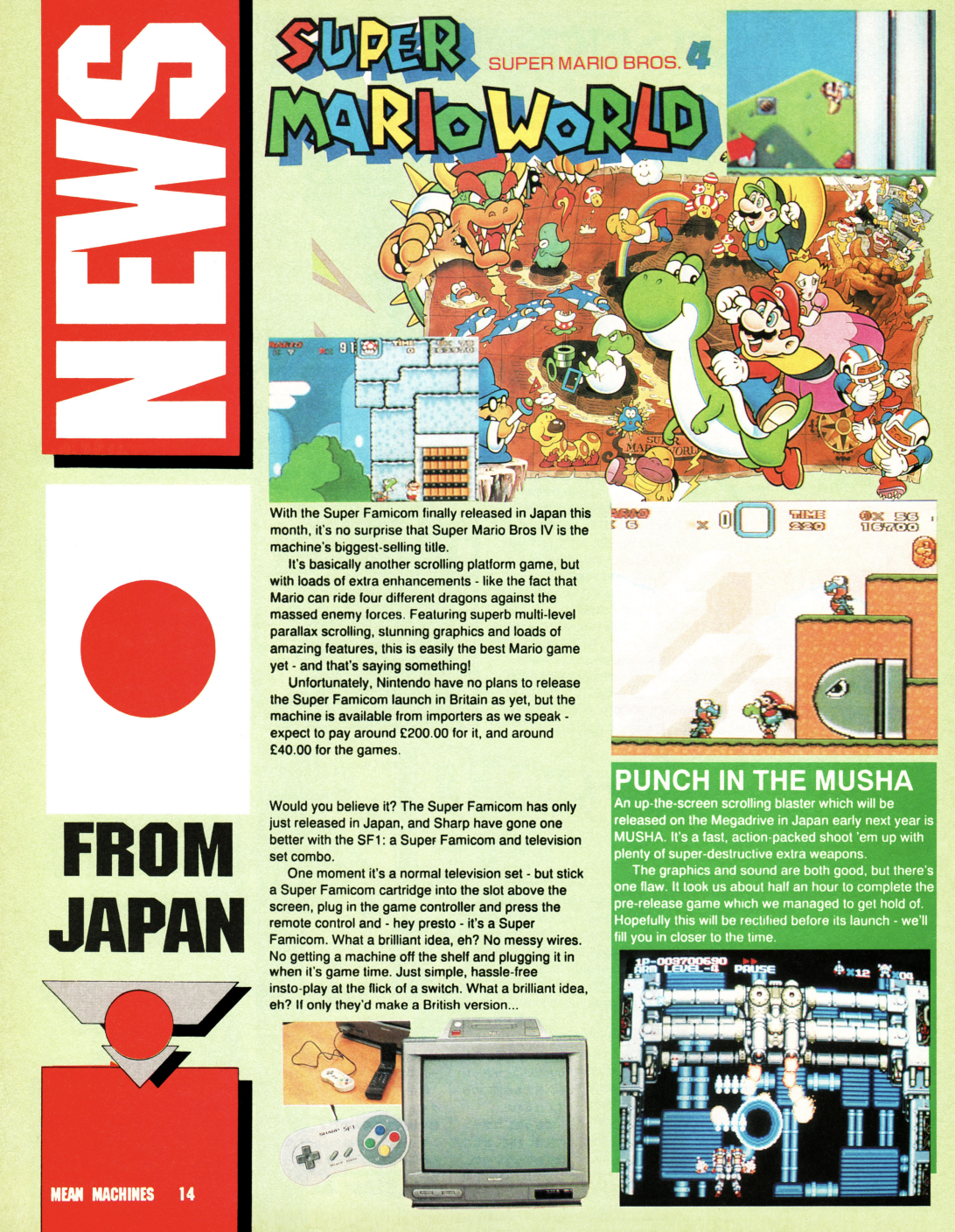
Old video game magazines are riddled with errors. Incorrect tech specs. Made up release dates. Mangled titles.
In a bid to stay ahead of the competition, western magazines would often import Japanese publications and do their best to translate and interpret the walls of text.
So by the time the information arrived on newsstands we were often looking at a facsimile of the real world. News and culture from the other side of the globe that had been filtered through deadline crunch, bad coffee, and blurry screenshots.
And if you played import video games and read magazines like SuperPlay or GameFan back in the day, there’s a good chance you were also across Japanese manga and anime long before the rest of the world caught up. Only it wasn’t streamed on Crunchyroll, it was a dodgy VHS dub that had been copied so many times it was a low resolution abstraction of the original.
Point being, the Japanese media we consumed as kids often lacked context. Which forced us to fill in the blanks, interpret meaning, and build our own narratives.
Fast forward a few decades, and echoes of our childhood live on in pockets of the online world. You can find them on YouTube, Pinterest boards, social feeds, and niche publications.
Vaporwave. Aesthetic. City Pop. Future Funk. Call it what you will.
These are forgotten worlds that never existed.
A brief history of time
The term ‘vaporwave’ was first coined in the early 2010s to describe a music genre - and visual aesthetic - soaked in nostalgia for an imagined future.
A quick online search will tell you that it emerged via YouTube channels and Tumblr blogs, and sounded like a 1980s Pepsi commercial that had been pitched down and stretched out.
But framing it as a music genre misses the point. If anything, the music is secondary to the visual elements and glitchy melancholy that inform all this.
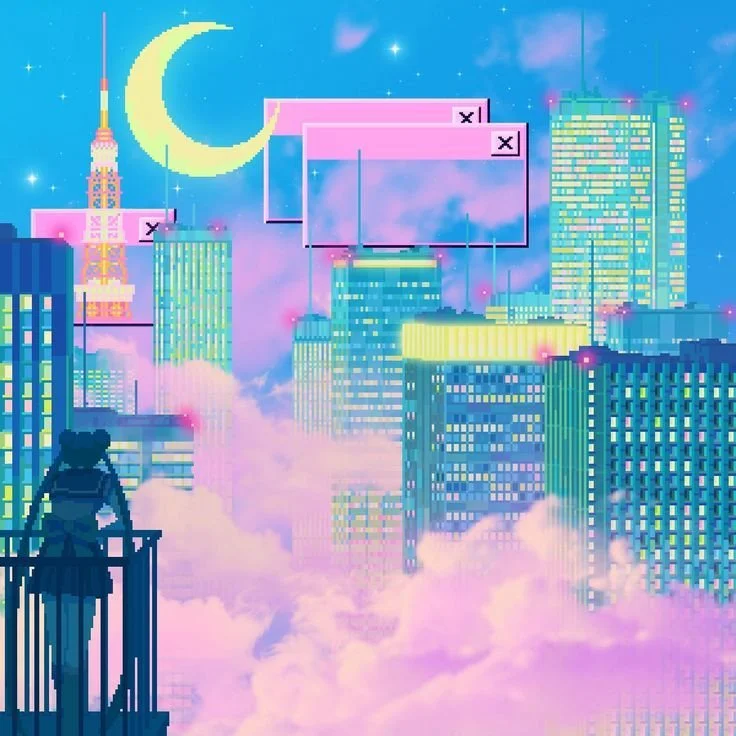
This cut and paste pastiche of Akihara backstreets and Shibuya skylines is instantly familiar to a generation of nerdy kids who grew up in the late 80s and early 90s.
It’s a repurposing and recontextualisation of visual signals we already know. A remix of our childhood. And it’s no coincidence that it came to online prominence at the start of the 2010s.
Bright like neon love
Get beyond the recurring motifs of palm trees, neon lattices, and glitched out video games and you’ll arrive at an imagined vision of the future.
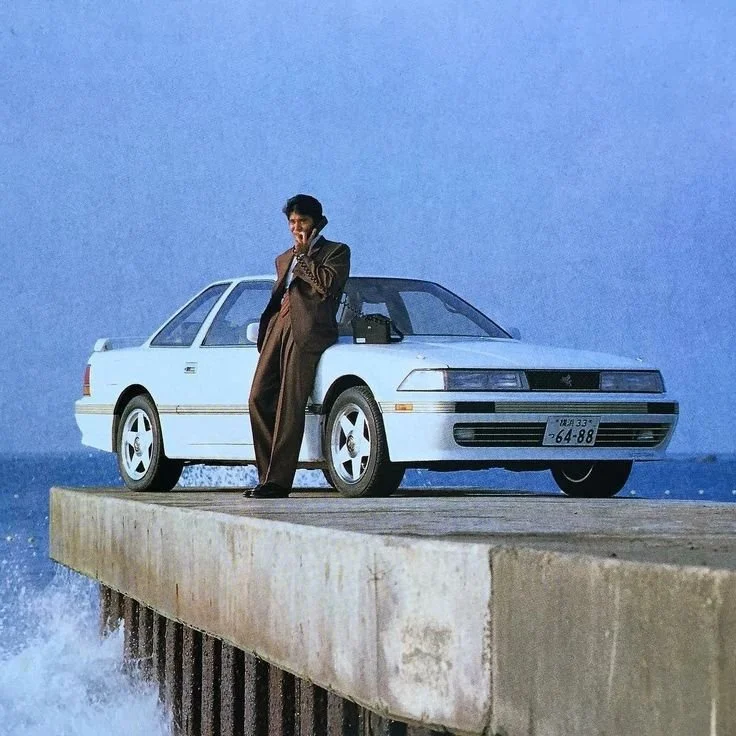
And the future looked pretty good back in the day. While younger generations take a doomer approach to ‘late stage capitalism’ and climate change doing us all in, kids back in the day didn’t share those concerns. The future was going to be awesome. We had the technology.
The new millennium was just around the corner and the arrival of home computers, CD-ROM technology and the early internet reinforced that sense of optimism.
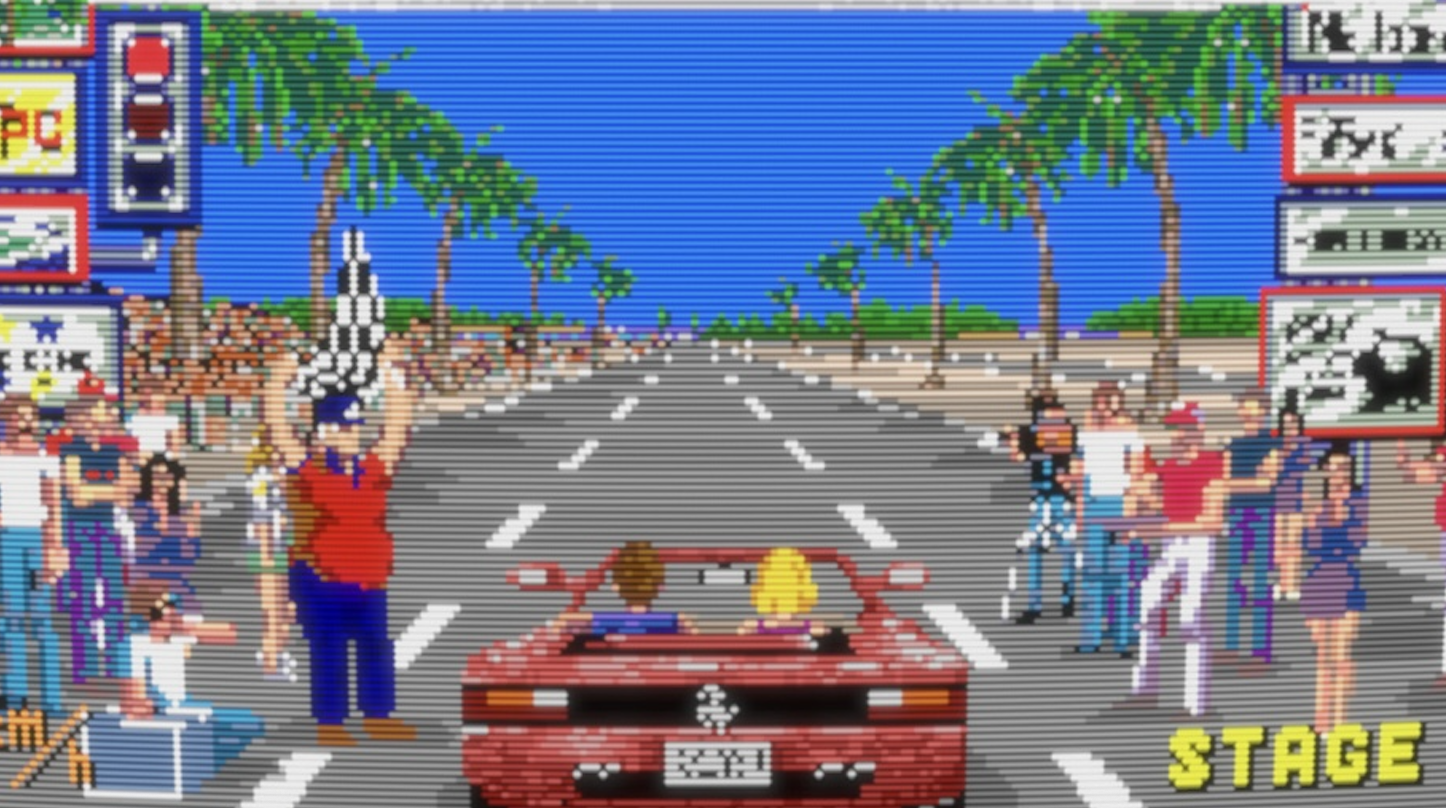
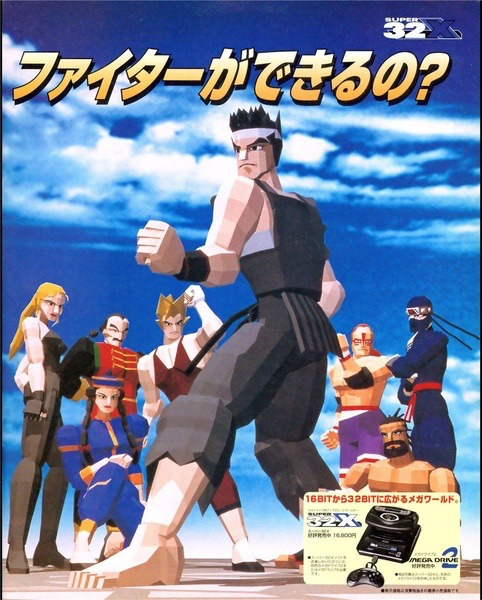
Video games of the era tapped into that same energy. In Japan this was expressed through games like Yu Suzuki’s OutRun, which saw you driving a Ferrari Terestera alongside pristine beaches with endless blue skies.
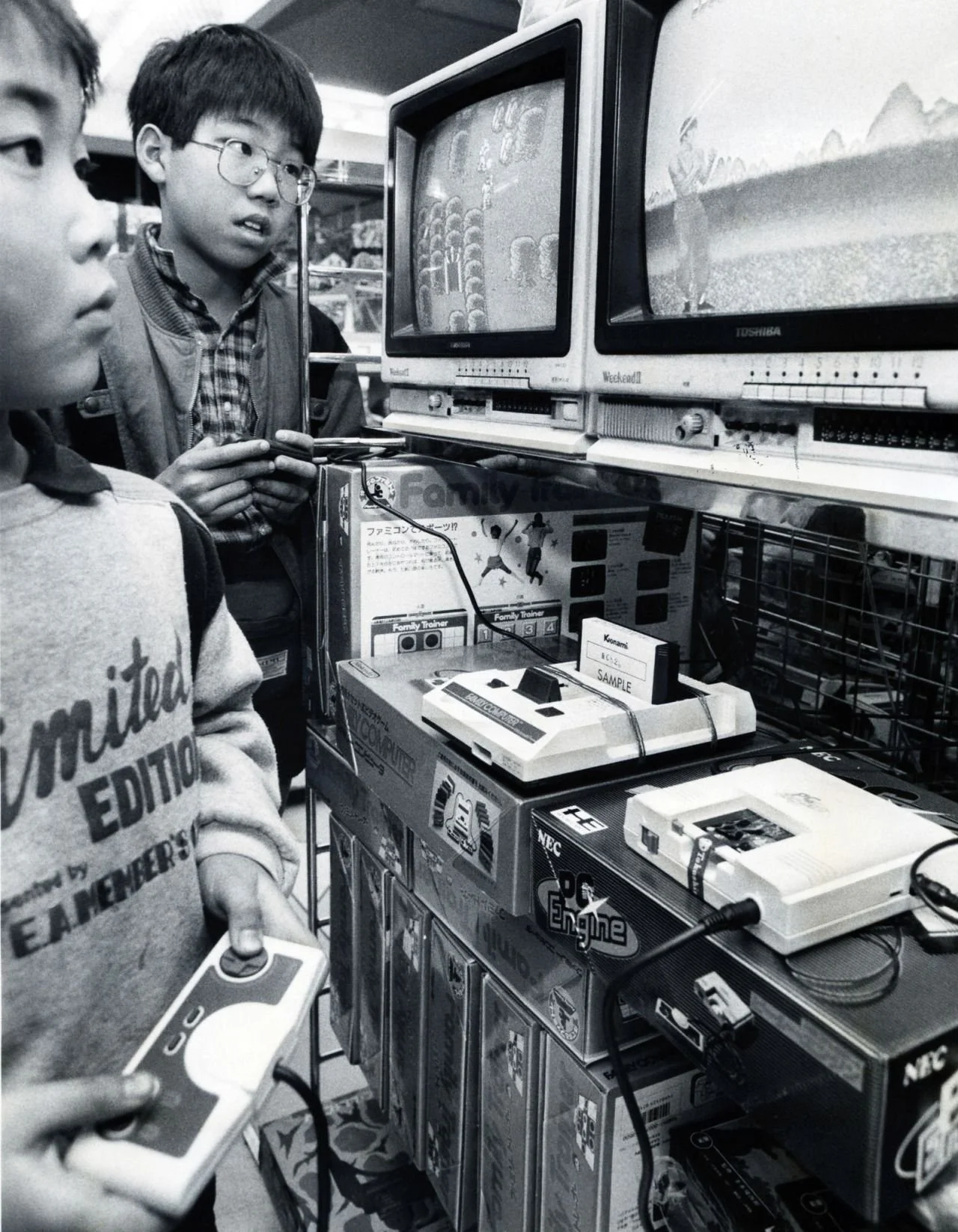
It took physical form with the introduction of the PC Engine and Mega Drive in 1987 and 1988 to showcase rapidly evolving technology.
It was beamed into television sets via the pastel hues of the Sailor Moon TV series which launched in 1992.
Japan’s economic miracle propelled the country forward, delivering a wave of cultural touch points and visuals that filtered out to the west and were absorbed by impressionable kids.
Good times… But they couldn’t last forever. And when the ass fell out of the Japanese economy and the bubble burst, that spell was broken. A future that once seemed so bright and promising revealed itself to be a mirage. Leaving behind ghostly abstractions.
Future shock
If the 80s and 90s were defined by their optimism, the mood quickly turned ugly as the new millenium got underway.
The stock market crashed in 2000, the towers fell in 2001, the ‘war on terror’ saw us back in the Gulf, and the decade was book-ended by the global financial crisis. It was a rolling doomsday scenario for a generation of kids entering adulthood and realising it wasn’t what they had been promised.
Running parallel to all this was the rise of the internet, social media, and smart phone technology. Which gave that same generation the tools and resources to connect online and share their nostalgia. We suddenly had access to all the world’s history in the palm of our hand.
Every old TV series, cartoon, anime, video game, or random piece of pop-culture junk was no more than a swipe and a tap away. Web 2.0 gave us the means to share the nostalgia and connect with likeminded folks.
Within that context, the arrival of vaporwave as an online aesthetic circa 2010 makes perfect sense. It was a way to reference and repackage the visual signals of our childhood in a world that had turned a lot meaner and uglier.
The bright City Pop of 1980s Tokyo filtered through economic downturn and anti-depression meds.
A hazy shade of winter
That sense of loss pervades vaporwave aesthetic. The future we were promised turned out to be sleight of hand. And the technology underpinning it a double-edged sword.
Vaporwave uses the media and visual signals of the past to tell that story through juxtaposition and recontextualisation.
As Oxford University academic Adam Harper writes, “Vaporwave slows, loops, and distorts… transforming once-optimistic sounds into expressions of melancholic nostalgia”
This melancholy applies to the visuals as much as the soundscapes. The Sega blue skies of our youth have turned purple and orange as the day fades. The palms swaying in the wind taking on a more ominous tone.
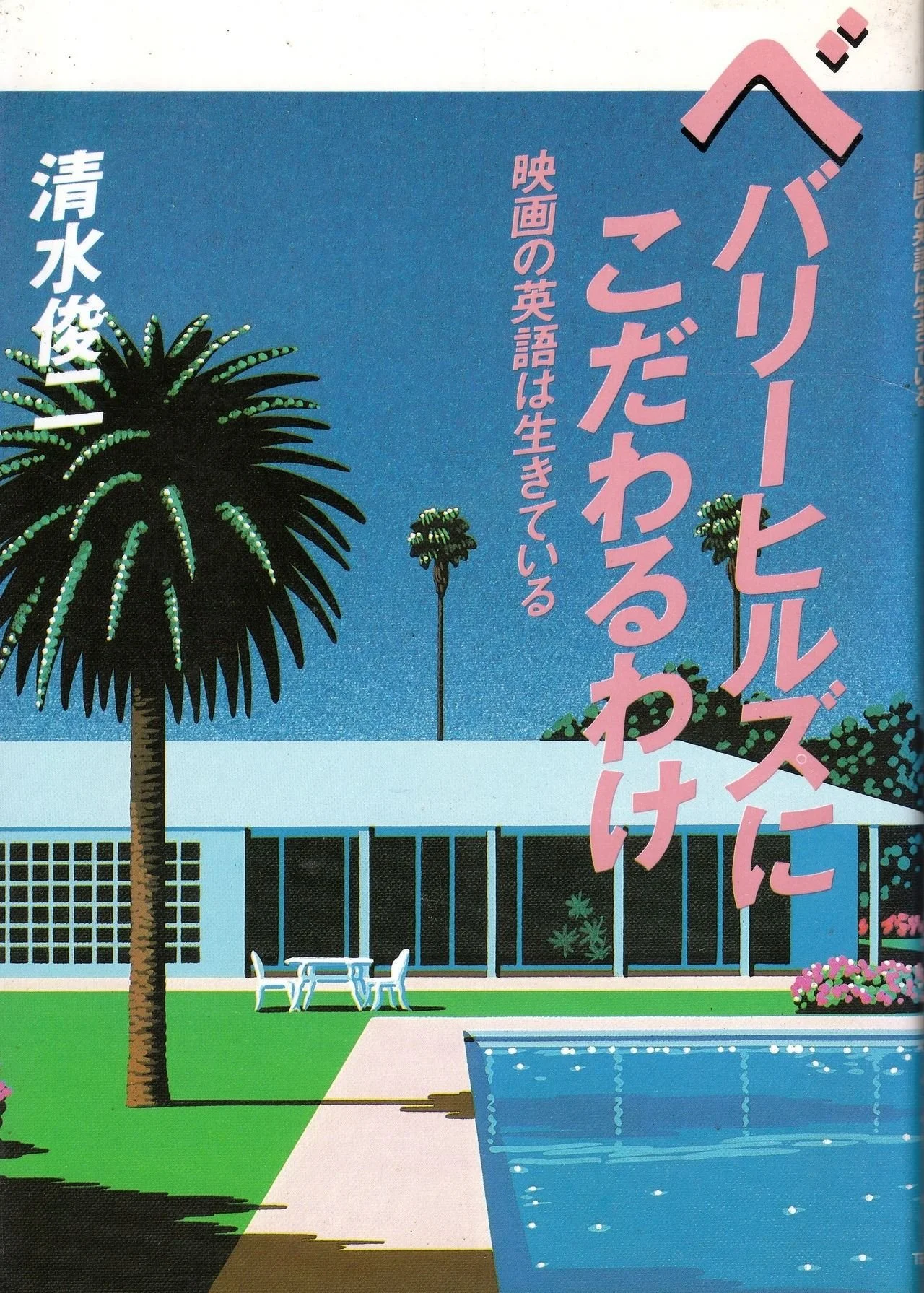
The end result is a through line from City Pop and the artwork of Hiroshi Nakai to Pinterest board collages and YouTube rabbit holes. You can see examples of the former scattered through the next 100 odd pages.
It’s a cold world
At its core then, this online aesthetic is about nostalgia. A longing for a future that never was. For a generation of kids raised on imported Japanese video games, faded anime on VHS tapes, and poorly translated articles about economic bubbles, it’s a future that feels both familiar and out of reach.
These visual signals have been endlessly appropriated and recontextualised in the online media squall. And while they’re sometimes dismissed as an ironic, online, in-joke, they’re also the building blocks of a visual narrative parked at the back of our minds.
By resurrecting these themes, vaporwave pays homage to a formative moment in global digital culture—when Japan was the centre of the world, the economy was booming, and western liberalism was viewed as the end of history.
The kids that grew up reading EGM, CVG and Edge had a jump start on it all. We didn’t know it as vaporware or aesthetic, For us, it was the promise of a better tomorrow…
….
This article was originally published in Forgotten Worlds magazine issue #7.