Mega Play magazine
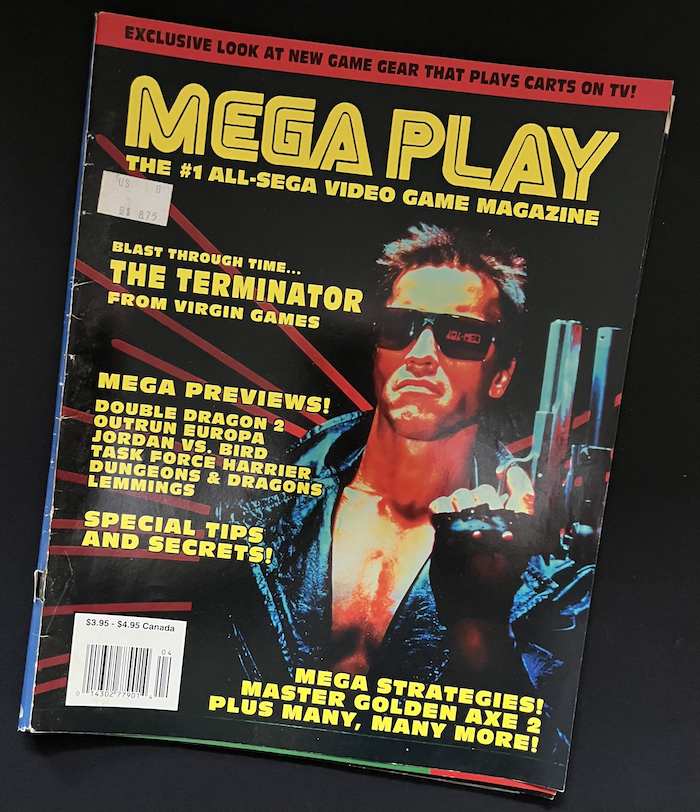
I recently wrote a piece about Sendai Publishing and the various video game magazines they produced in the early to mid 90s. Electronic Gaming Monthly (EGM) was their flagship title, but there were a bunch more. Which meant the article was way long. Like, 2000 words or something.
That’s cool. But not everyone has the time or inclination to read a bunch of old anecdotes about magazine publishing in the 90s. Maybe they just wanna know more about a specific title. Like, say, Mega Play magazine.
And Mega Play is an interesting one. Because anyone familiar with the magazine would probably know it was just repurposed content from EGM. Same articles, same content, a fresh coat of paint and a $3:95 retail price at your newsagent.
So in keeping with the spirit of Mega Play, I’ve decided to do the same thing. I’ve taken the original article I wrote about Sendai, stripped out all the excess fat, and ‘repurposed’ it as a whole new article about Mega Play. Let’s see how we go…
Cut copy desktop design
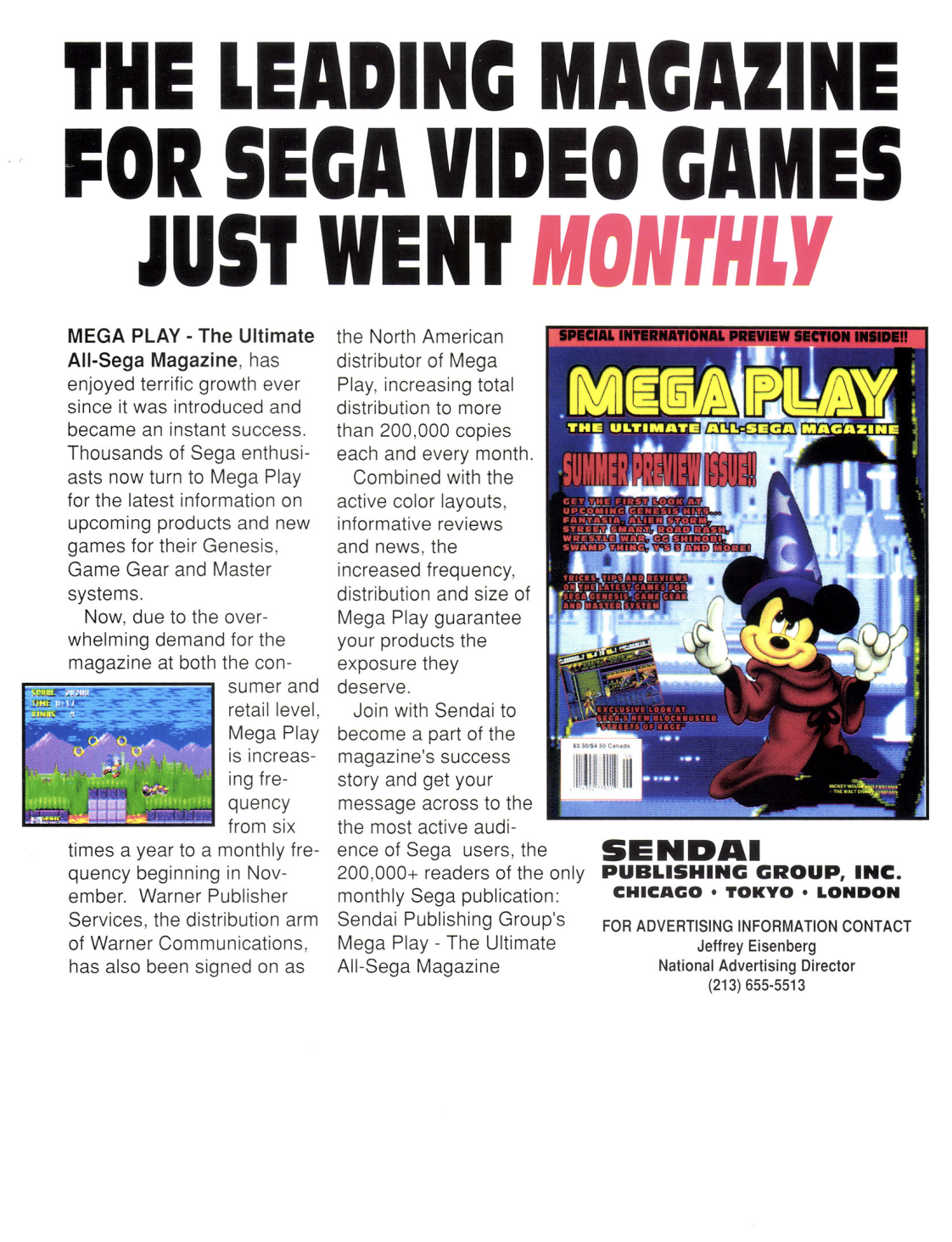
Launched in 1991 as an attempt to cash in on the growing Sega Genesis audience in the U.S., Mega Play was the second magazine Sendai produced. It came two-years after EGM, and would remain in circulation until 1995.
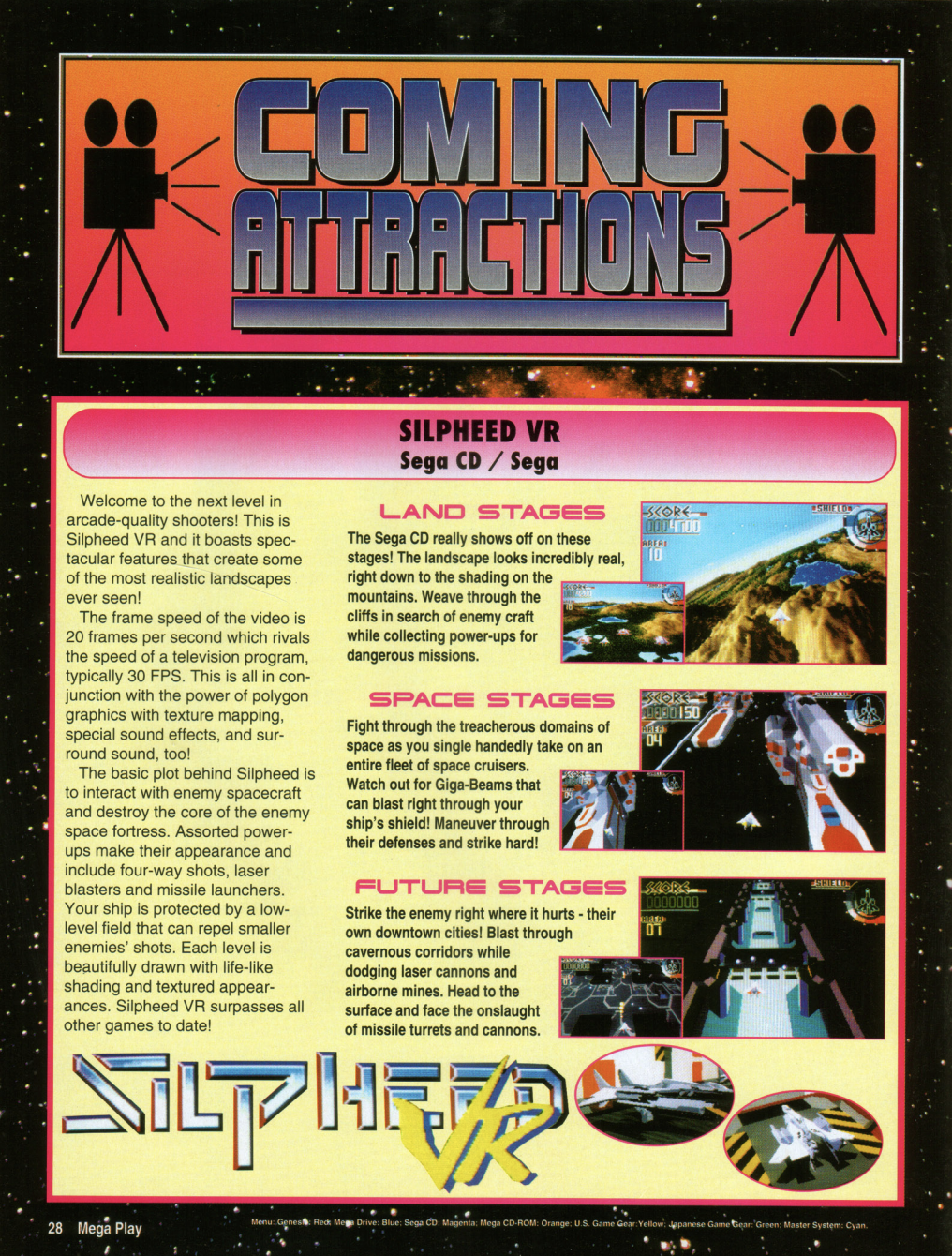
That’s quite the achievement given the content was cribbed directly from EGM, with only minor updates and additions to help paper over the cracks.
According to former associate editor, Ray (Radd) Price, “Making a page for Mega Play was very simple. It usually involved taking a page from EGM, changing the color scheme, shuffling the layout around, and changing the bit that read Electronic Gaming Monthly to Mega Play.”
In any case, Mega Play was first introduced as a supplement within EGM before becoming a bi-monthly magazine. At one point it was supposed to shift to a monthly format with a print run of 200,000 copies but that never happened, and it just kinda kept plodding along to shrugs and indifference for several years.
Still, it served as a proof-of-concept for Sendai’s expansion plans, and set the groundwork for the next phase of the company’s expansion.
Sega magazines in the US
Mega Play’s longevity was helped by the lack of competition. While the UK magazine market had several Sega specific magazines to choose from, the US market favoured multi-format titles.
That’s another article I wrote a whole thing about, and you can read it here if you’re so inclined. But the short version is geography, local market conditions, and economies of scale resulted in very different magazine markets across both sides of the Atlantic.
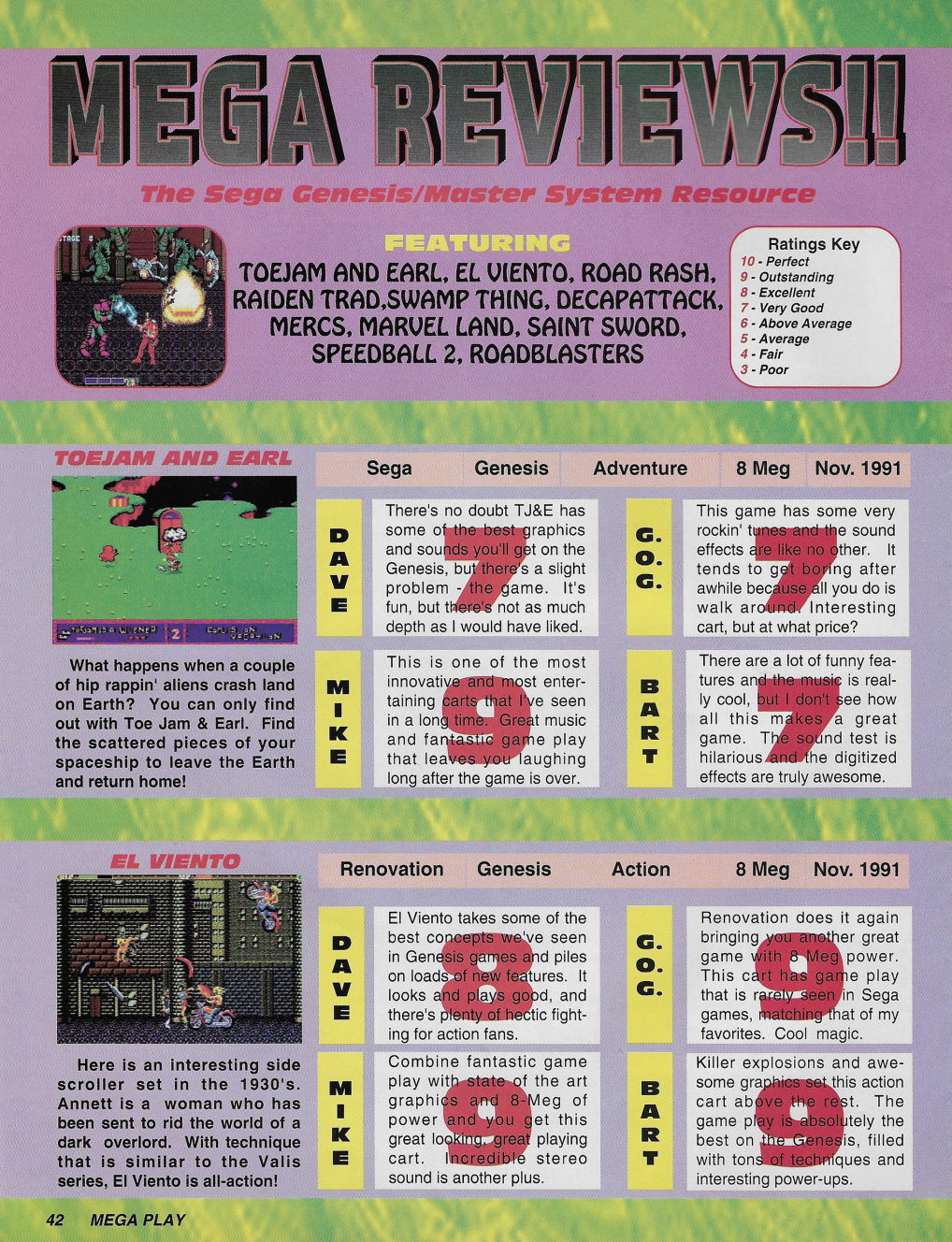
And, look, to be fair, Mega Play did have its own unique elements. The reviews evolved from the 4-person format used in EGM into an expanded format more common in UK magazines. The magazine also featured extensive guides. Which, before the internet, GameFAQs, and YouTube, might be the only way you’d beat something like Shining in the Darkness or Phantasy Star 3.
It’s the 90s, it’s Hammer time…
Is it cynical to write a really long feature article about Sendai publishing and then ‘atomise’ the content into bite size snippets in a bid to extract SEO benefits from the exercise?
I don’t know. It’s 2026. It doesn’t seem like there are any rules these days…
But hey, if we’re gonna talk about cynical publishing practices, Mega Play is the ideal jumping off point. So consider this an ankle deep rumination on magazine publishing in the 90s, and how desperate folks were for content in a pre-internet era.
As Sendai discovered, you could literally sell the same content twice…